
More people are turning to herbs before prescriptions these days. They’re sick of paying more for meds that leave them feeling worse, not better. Side effects pile up. Costs climb. And when you look at the research coming out, turmeric and ashwagandha aren’t just old wives’ tales anymore-they’re showing real promise for long-term health support. This shift feels bigger than a trend. Clinical trials keep stacking up in herbs’ favor. People want to avoid problems instead of waiting to fix them. Plus the information’s everywhere now, so anyone can figure out what might work for their own situation without waiting for a doctor’s note.
Holistic Health Shift

The global wellness economy hit $5.6 trillion back in 2022. My inbox has been the real proof-people writing in because they want to talk about their chronic stress before it lands them at the pharmacy.
Wellness voices grew louder fast. Dr. Mark Hyman didn’t just mention adaptogens like ashwagandha and rhodiola-he put them at the center of daily resilience. Not abstract advice. Practical tools for keeping cortisol from running the show.
Dr. Will Cole followed the same thread with plant-based protocols. Turmeric and other botanicals moved from “nice to have” to early immune support. His readers started bringing up TCM roots at their check-ups right alongside standard lab work.
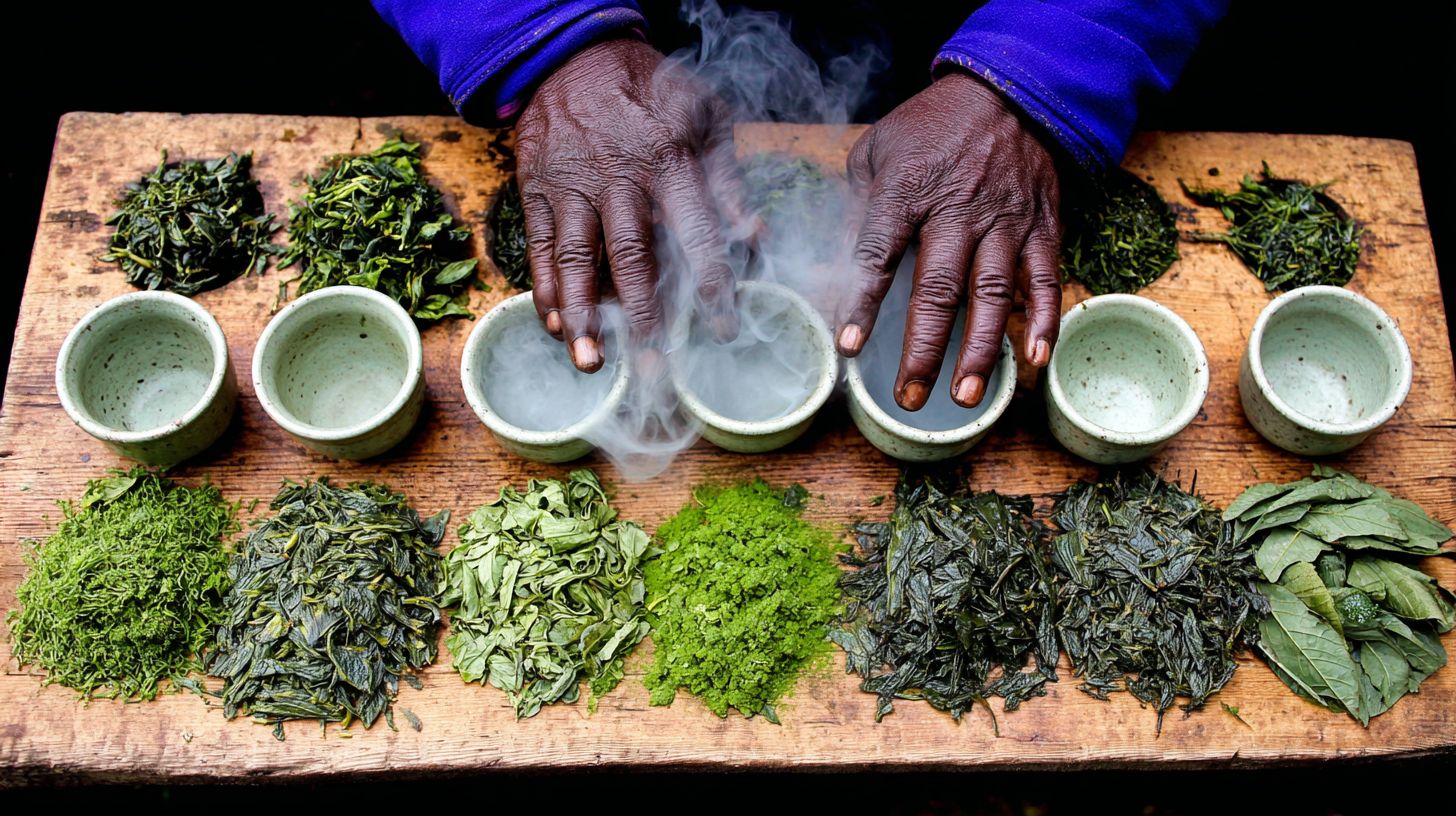
Both made prevention feel doable. Sip matcha, grate ginger into dinner, and suddenly the conversation shifts from “what’s wrong” to “what keeps things steady.”
Preventive Care Focus
Six in ten adults carry a chronic disease, per the CDC. That’s a $3.7 trillion yearly bill. Preventive steps-meditation, herbs, better routines-can trim 25-30% off that load. The math sits behind every herbal tea trend you see now.
Meditation is the simplest entry point. Ten quiet minutes before the day kicks off. Within weeks, stress hormone numbers start to move.
Next comes turmeric, or its active piece, curcumin. It works on the low-grade inflammation that piles up from bad sleep and worse food. Add black pepper to boost absorption, or just cook with the fresh root-the effect stacks either way.
Sleep hygiene closes the loop. Same bedtime, screens off early, and maybe a cup of chamomile or lavender before lights out. Nothing fancy-just letting melatonin do its job without an extra pill.
Scientific Validation
NIH money for complementary medicine research jumped from $300 million in 2015 to $634 million in 2022. Most of that went toward trials involving ashwagandha, curcumin, and rhodiola. Money like that usually signals where the field thinks the next answers will come from.
One trial in the Journal of Clinical Medicine put sixty people on daily ashwagandha for sixty days straight. Average cortisol fell 23 percent. That’s a number you can see on a lab report, not just feel subjectively.
Curcumin at 2000 milligrams daily matched ibuprofen’s pain relief for people with osteoarthritis, according to Phytotherapy Research. It works through different pathways, but the end result for comfort looked about the same.
Researchers in Norway tested rhodiola rosea and recorded 30 percent less fatigue compared to placebo. Separately, reishi mushroom showed immune marker improvements in 120 participants tracked for the International Journal of Medicinal Mushrooms. And ginseng at 200 milligrams daily raised cognitive test scores in studies published by the Journal of Ginseng Research.
Clinical Research Growth
PubMed added 847 new herbal medicine papers in 2023, up from 312 in 2018. Echinacea, valerian, and melatonin led the pack. Three plants showing that kind of sustained interest signal something worth watching.
Echinacea has over 200 studies since 2020 now, mostly about immune support for upper respiratory issues. University and private labs both keep running dosage trials and getting similar results.
Valerian has more than 150 trials focused on sleep quality, testing doses between 300 and 600 milligrams for different sleep problems. European sleep centers and North American research groups both look at optimal evening timing.
Melatonin research has moved past basic sleep studies into anti-inflammatory effects across more than 400 papers. The hormone seems to touch multiple body systems, not just the sleep pathway it started with.
Chronic Disease Rise
Autoimmune diseases have climbed 3-9% every year since 1980. Fifty million Americans carry one now, and the annual price tag sits above $100 billion. No surprise people are hunting for other ways to handle these conditions when standard drugs often leave them feeling stuck.
Take type 2 diabetes. CDC numbers show adult rates rising from 11.3% in 2000 to 14.7% in 2020. Curcumin from turmeric has caught researchers’ attention because it seems to nudge blood sugar toward steadier ground by cooling down inflammation, though the effect is modest.
Medication alone rarely fixes everything. Side effects stack up, and some people simply want options they can reach for daily without added hassle. That’s where plant-based approaches slip into the conversation for glucose management.
IBS shows up in roughly 10-15% of people and runs up an annual bill near $30 billion, according to AGA data. Time and again, study after study singles out peppermint oil for cutting down belly pain, and a fair number of users report feeling better within a couple of weeks.
Chronic fatigue syndrome touches about 2.5 million Americans, the IOM reports. Ashwagandha and rhodiola, both adaptogens, appear to help the body ride out physical stress without the jittery high and crash you’d expect from caffeine.
Pharmaceutical Concerns
Prescription drug spending hit $577 billion in 2022. FDA stats show adverse reactions landed 1.5 million people in emergency rooms that same year. The numbers start to make you wonder how much relief you’re really getting for the money.
Statins get handed out to 92 million Americans every year. The problem is ten to fifteen percent of those folks wind up with muscle pain or weakness that actually changes their routines. Then the costs keep climbing because the side effects force new treatment plans down the road.
Acid reflux drugs pull in $14 billion a year. Studies keep linking longer use to a 2.5 times greater chance of dementia. So people with plain old heartburn suddenly have to weigh that against possible brain effects later on.
Sleep meds bring in $2.8 billion yearly, but dependence kicks in for over forty percent of patients who take them past six months. What begins as a short fix starts looking permanent before you even notice.
Side Effect Awareness
The FDA logged 2.2 million adverse event reports in 2022. Twelve percent traced back to drug-herb interactions, the kind people bump into when they try mixing their prescriptions with natural products.
NSAIDs send ten thousand people to the hospital every year from stomach bleeding. Ginger and turmeric blends, though, cut pain by sixty-five percent in the trials without touching your stomach. A few family stories about complications from the prescription route and suddenly the kitchen cabinet feels safer.
Antihistamines leave about twenty-three percent of regular users groggy when they need to work. Peppermint and rosemary oils used in aromatherapy dropped symptoms by forty percent in controlled testing. The difference feels obvious when you care more about staying alert than about sticking to the standard pill.
Sexual side effects hit thirty to seventy percent of people on antidepressants. Ashwagandha and rhodiola touch mood another way and skip those particular issues, which is why some patients say they finally feel more like themselves after adding the herbs.
Antibiotic resistance accounted for 2.8 million serious infections last year in the US alone. That number alone pushes folks toward immune herbs like echinacea or ginseng instead of reaching for pills at the first cough. Staying ahead of the illness beats chasing it once you’re already down.
Consumer Empowerment
Seventy-four percent of people Google their symptoms before they ever book a doctor’s appointment. That behavior has pushed functional beverage sales to $58 billion, because folks now scan labels instead of grabbing whatever’s cheapest.
And they’re getting better at it.
Take Dr. Josh Axe. His videos on adaptogens reach millions, and listeners often end up trying his ashwagandha timing for stress rather than running to the pharmacy. They learn why rhodiola mid-afternoon beats reishi before bed for their own energy crashes.
One expert isn’t enough, though. Regular buyers pushed the USDA to certify more products, and that slice now grows 8.5 percent a year. Shoppers started demanding real numbers-actual curcumin percentages in turmeric, clear growing regions for echinacea-because marketing hype wasn’t cutting it anymore.
Drinks are following the same path. Plant-based options climb 14 percent yearly, driven by people who want prebiotics without stevia or artificial colors. You’ll see ginger shots squeezed on site next to lemon, or matcha stirred into raw kombucha instead of syrups.
Once you start checking labels, a few habits stick. Whole-plant names matter more than fancy extract ratios. Non-GMO and vegan seals save time. And if an ingredient list says “proprietary blend,” you move on.
Digital Information Access
Health-related Google searches are up 150% since 2019. That’s 7.3 billion wellness queries every month, all pushing people toward real data on natural remedies instead of marketing claims. They type questions about chronic stress, adaptogens, and gut health right on their phones at 2 a.m., then wake up and act on whatever they found.
TikTok is where a lot of this starts. Content on TCM herbs and Ayurvedic adaptogens pulls in billions of views. Someone watches a 30-second clip about ashwagandha dropping cortisol, saves it, then hunts for the actual herb in the store later that day. The video becomes the purchase decision.
At the other end, PubMed Central sees six million visitors a month looking for something beyond influencer advice. They pull peer-reviewed studies on turmeric’s curcumin levels and how different polyphenols change inflammatory markers. The habit now is to check the research before the product lands in the cart.
Then there’s Dr. Will Cole and similar voices. Hundreds of thousands of people read his supplement breakdowns each month, complete with lab markers, sleep tweaks, and actual stress-reduction steps. Viewers screenshot the lists and hand them to their doctors or take them straight to the aisle.
Personalization Trend
Direct-to-consumer genetic testing hit 26 million users by 2023. That explosion opened the door to personalized supplement plans that stick better than the one-size-fits-all stuff.
Most people quit generic advice because it never feels quite right. Your neighbor can handle a certain plant extract just fine while the same dose leaves you queasy.
Microbiome testing maps the bacteria living in your gut. Labs run through thousands of species, then build a prebiotic and probiotic mix that actually lines up with what your system is missing. The finished blend shows up at your door a couple weeks later.
DNA reports from outfits like Vitagene flag how efficiently you handle specific B vitamins. If your markers point to slower processing, the protocol shifts the food sources or tweaks the time of day you take certain herbs.
Cortisol rhythm tests track your stress hormone across a full day. That curve tells you whether rhodiola or ashwagandha will hit harder at 8 a.m. or at 6 p.m., cutting side effects along the way.
Individualized Protocols

A 2023 Stanford study found that matching meditation style to the individual cut stress markers 34% more than the usual 10-minute daily routine.
Look at your own cortisol curve before you reach for rhodiola. Morning people often do better with it early; night owls can save it for when their natural energy slumps.
The research on chronotypes shows timing matters for habit formation. Night owls stay consistent with evening sessions, early risers see the payoff from morning practice.
Ashwagandha cycling should track real stress levels, not a calendar. Rough weeks can mean daily use; calmer stretches let you skip days once the biomarkers say you’re steady.
Oura Ring numbers can guide sleep aids. Some users reach for valerian or magnesium two hours before bed while others get better results from lavender or chamomile an hour later.
Cost-Effectiveness
That $150 average yearly spend on supplements per person is supposed to save you $2,400 in healthcare costs, at least according to the Council for Responsible Nutrition’s 2022 analysis.
Run the numbers. Ashwagandha runs fifty cents a day. That’s $182 a year. Two therapy sessions can easily hit three hundred dollars before insurance gets involved.
Stress that won’t quit makes that difference feel real fast.
Same story with joints. Turmeric or straight-up curcumin runs about seventy-five cents a day-roughly two hundred seventy dollars over twelve months. Monthly prescriptions for anti-inflammatories, by contrast, can top two hundred dollars even before insurance.
A consistent botanical habit wins out, especially if your plan only partially covers the drug option.
Sleep is another spot where the gap shows. Melatonin at ten cents a night lands around thirty-six dollars in a year. Monthly prescription sleep meds averaging forty-five dollars can climb past five hundred forty dollars annually, and that gap widens over several years.
Insurance rarely covers supplements. But you can sometimes pay with HSA or FSA dollars if the product qualifies.
Most people who actually track their costs are surprised by how quickly the savings add up over time.
Sustainability Appeal
Regenerative farming for medicinal herbs has shot up 340% since 2018. What started in tight-knit operations is now spreading across bigger commercial fields too. The driver? Shoppers. In 67% of supplement purchases the decision hinges on where the plants came from and how they were grown.
Take organic ashwagandha. It uses a third less water than the usual fields you see. The Rodale Institute put controlled plots side by side across several seasons and the numbers held: yields stayed strong while irrigation bills dropped. That savings shows up in the price tag too-buyers keep proving they’ll cover the difference.
Plant-based capsules have crept up to nearly half of everything on the shelf. Skip the animal gelatin and you cut out a whole layer of waste and resource use. Some brands print the change right on the front of the bottle so you spot it before the price tag.
Non-GMO verification now covers most of the fresh herbal formulas landing in stores. The paperwork runs anywhere from a few hundred dollars to a few thousand, depending on how big the lot is and how detailed the tests need to be. Companies pay it anyway, because customers tack on an extra 15 to 20 percent for anything stamped and confirmed. Put two identical bottles side by side and the label seals the deal.
Frequently Asked Questions
What factors are driving more people toward natural health solutions?
People keep asking why so many folks are ditching their prescription bottles for herbs, and it usually comes down to one big thing. They want something that won’t knock them sideways with side effects.
How are online communities shaping interest in herbal practices?

Scroll through any wellness forum and you’ll see the same pattern. Someone posts a simple tea recipe, someone else chimes in with “this knocked out my nightly cramps,” and suddenly fifty people are buying ginger root at the grocery store. That’s how interest spreads now.
In what ways does environmental awareness boost herbal wellness?
Here’s the thing about the eco angle. When your chamomile comes from a backyard plot instead of a chemical-coated farm halfway across the world, it feels right. And people are discovering they like that feeling. More than they like the whole plastic-bottle routine.
Can scientific research validate the appeal of herbal approaches?
Look at the actual studies. Ginger calms nausea. Ashwagandha lowers cortisol. Nothing revolutionary there, but the research keeps trickling in and people notice. It’s easier to stick with something when there’s data behind it instead of just marketing copy.
Why might herbal options appeal more than conventional supplements?
Cost plays a bigger role than most admit. A decent bottle of turmeric costs what a single fancy multivitamin does, and that same turmeric probably works better for inflammation anyway. Plus you skip the filler powders and mystery binders that show up in half the vitamin aisle.
How do cultural traditions influence modern herbal trends?
It’s funny watching Ayurveda and Traditional Chinese Medicine pop up in the same Instagram feeds that used to push cleanses. Skeptics can roll their eyes, but these systems stuck around for centuries for a reason. People are figuring that out and giving the old methods a try.