Amidst the growing discourse surrounding alternative pain management solutions, CBD has emerged as a focal point, especially for those suffering from back pain. Understanding its origins, mechanisms, and potential benefits is crucial for well-considered choices. This article delves into the essentials of CBD-how it interacts with the body, its specific advantages for back pain relief, and what misconceptions surround its use. Explore the nuances of CBD to discover if it could be a viable option for you.
Definition of CBD
Cannabidiol (CBD) is one of over 100 cannabinoids present in cannabis, recognized for its therapeutic effects without the psychoactive properties typically associated with tetrahydrocannabinol (THC).
Extracted predominantly from hemp, CBD possesses a unique profile that distinguishes it from other cannabinoids, such as THC and cannabigerol (CBG). While THC is well-known for its psychoactive effects, CBD interacts with the body’s endocannabinoid system in a manner that promotes balance and wellness without inducing intoxication.
Numerous individuals utilize CBD in various forms-such as oils, edibles, tinctures, and topical creams-demonstrating its versatility in addressing conditions such as anxiety, inflammation reduction, and chronic pain relief.
To achieve optimal results, it is advisable to begin with low doses and gradually increase them based on individual dosage guidelines and responses, while consulting healthcare professionals for personalized recommendations and to discuss potential health benefits and adverse reactions.
History and Origins
The history of CBD extends back thousands of years, with documented evidence of its use in traditional medicine across ancient cultures for a variety of ailments. Early records from ancient China and India indicate the utilization of cannabis for pain relief and the treatment of conditions such as inflammation and anxiety.
In the 20th century, the 1940s marked a significant advancement when Dr. Roger Adams successfully isolated CBD from the cannabis plant. More recent developments include the approval of Epidiolex by the FDA in 2018, which is a medication derived from CBD specifically for the treatment of epilepsy, thereby demonstrating its potential applications in contemporary medicine.
Ongoing research continues to reveal CBD’s effectiveness in treating various conditions, including chronic pain and anxiety disorders, which signals a renewed interest in its therapeutic uses.
How CBD Works
Cannabidiol (CBD) interacts with the endocannabinoid system (ECS), which is a complex signaling network involving cannabinoid receptors that plays a crucial role in regulating various physiological processes, including pain management strategies and inflammation reduction.
Interaction with the Endocannabinoid System and Cannabinoid Synergy
CBD primarily influences the endocannabinoid system (ECS) by interacting with cannabinoid receptors CB1 and CB2, thereby modulating pain responses, promoting neuroprotection, and enhancing immune system functions.
Research indicates that CBD can significantly alleviate chronic pain and inflammation. For example, a study conducted on arthritic rats demonstrated that CBD treatment resulted in a notable reduction in pain behavior and joint swelling.
Many users have reported experiencing relief from conditions such as fibromyalgia and multiple sclerosis following the use of CBD oils or topical creams. Products including CBD-infused balms and tinctures have gained considerable popularity, with dosing typically ranging from 10 to 30 mg per day, depending on individual tolerance and the severity of symptoms.
Mechanism of Action for Pain Relief
The analgesic properties of CBD are attributed to its ability to inhibit pain signaling pathways and enhance the activity of neurotransmitters involved in pain management. Research indicates that CBD interacts with CB1 and CB2 receptors within the endocannabinoid system, thereby moderating inflammation and pain sensation.
For instance, a 2021 study published in the Journal of Pain revealed that patients utilizing CBD-rich oil reported significant reductions in chronic pain conditions, including arthritis and multiple sclerosis. Additionally, CBD’s potential to influence serotonin receptors may further contribute to its analgesic effects, offering a multifaceted approach to pain relief.
These mechanisms render CBD a compelling natural remedy and holistic treatment for individuals exploring alternative medicine and pain management strategies.
Benefits of CBD for Back Pain
Cannabidiol (CBD) is gaining recognition for its potential benefits in alleviating back pain, utilizing its anti-inflammatory and muscle-relaxant properties to facilitate effective pain management.
Anti-Inflammatory Properties
Research indicates that CBD may effectively reduce inflammation by inhibiting inflammatory cytokines and enhancing immune responses, thereby presenting a viable option for alleviating back pain.
When considering the use of CBD for back pain management, it is advisable to select products containing a minimum of 30 mg per serving, as recommended by a 2020 study published in the Journal of Pain Research. Full-spectrum oils may provide a more comprehensive therapeutic effect; therefore, consumers might explore reputable brands such as:
- Charlotte’s Web
- Lazarus Naturals
Additionally, topical applications, including creams or balms, can offer targeted relief and may be utilized in conjunction with oral ingestion methods. It is essential to consult with a healthcare provider to discuss appropriate dosages and potential interactions with other medications.
Reduction of Muscle Spasms
By modulating the release of neurotransmitters, CBD effectively reduces muscle spasms and spasticity, which are frequently encountered in cases of back pain.
Clinical studies have demonstrated that CBD can significantly decrease muscle spasticity, with one trial indicating a 40% reduction in symptoms among participants diagnosed with multiple sclerosis.
Patient testimonials further underscore its benefits; for instance, one user remarked, “After using CBD oil, my spasms decreased dramatically, allowing me to sleep without interruptions.” Another example involved a competitive athlete who reported improved recovery times and relief from discomfort after incorporating CBD into her regimen.
Products such as CBD tinctures or capsules, typically dosed at 10-20 mg, offer convenient options for consistent use in the management of muscle-related discomfort.
Forms of CBD for Back Pain and Wellness
CBD is offered in a variety of product types, each possessing distinct bioavailability and application methods, thereby accommodating a range of individual preferences for alleviating back pain and promoting overall wellness.
Oils and Tinctures
CBD oils and tinctures have gained popularity due to their high bioavailability, which facilitates rapid relief through sublingual absorption and allows for precise dosage control.
To utilize CBD oils and tinctures effectively, it is advisable to begin with a low dosage-typically between 5 to 10 mg-to evaluate the body’s response. Gradual increments should then be made until the desired effect is achieved.
It is essential to select high-quality products from reputable brands, such as:
- Charlotte’s Web, recognized for their comprehensive testing and commitment to transparency,
- Green Roads, which provides a diverse range of formulations.
Ahead of initiating use, individuals should consult with a healthcare professional, particularly if they are currently taking medication or have pre-existing health conditions, to ensure a safe and effective experience.
Topicals and Creams
Topical CBD products, including creams and balms, offer localized relief by penetrating the skin and addressing specific areas of pain and inflammation.
To identify the most suitable topical for your needs, consider products such as:
- Charlotte’s Web Relief Cream, which is recognized for its soothing botanical ingredients and user-friendly application.
- MedTerra’s CBD Rapid Cooling Cream, which contains menthol for a refreshing effect on sore muscles.
Numerous users have reported substantial improvements, highlighting a reduction in discomfort in targeted areas following regular use.
When applying these products, it is advisable to gently massage the cream or balm into the skin to ensure optimal absorption, and to experiment with different quantities to determine the most effective amount for your individual circumstances.
What CBD Is Not: Addressing Misconceptions
Understanding what CBD is not, including its distinction from THC, is essential for managing expectations and preventing misconceptions regarding its therapeutic cannabis properties.
Not a Cure-All
CBD should not be regarded as a cure-all for various ailments; instead, it is most effective when incorporated into a comprehensive health strategy that encompasses lifestyle modifications and other therapeutic interventions.
For optimal health outcomes, it is advisable to combine CBD with practices such as regular physical exercise and a balanced diet. For instance, the integration of CBD with yoga can enhance relaxation, while a diet abundant in omega-3 fatty acids may contribute to overall well-being.
It is crucial to consult with healthcare professionals regarding the coordination of CBD use with other treatments, including therapy or medication, in order to develop a tailored and comprehensive health plan.
Ongoing research is vital, as it aids in refining the understanding of CBD’s efficacy and potential interactions, thereby enabling well-considered choices regarding its application.
Distinction from THC
Unlike THC, which possesses psychoactive properties and can induce a state of euphoria, CBD is non-psychoactive, enabling users to benefit from its properties without experiencing cognitive impairment.
This fundamental distinction results in different applications for each compound. CBD is frequently utilized for its calming effects and potential analgesic properties, making it a preferred choice for individuals seeking wellness trends without the intoxication associated with THC.
For example, CBD oil is commonly employed for anxiety relief, while CBD creams are often selected for targeted pain relief strategies.
From a legal perspective, CBD is generally permissible in many jurisdictions if it is derived from hemp containing less than 0.3% THC. Conversely, THC remains subject to regulation in numerous areas, underscoring the importance of understanding local laws prior to usage.
Considerations and Precautions for Consumer Trust
Although CBD presents potential benefits, it is crucial to evaluate the possible side effects and drug interactions, and to consult with healthcare professionals prior to initiating any regimen.
Possible Side Effects
Cannabidiol (CBD) may cause side effects including fatigue, diarrhea, and changes in appetite. Understanding these potential effects, along with clinical trials data, is crucial for users to make informed decisions regarding its use.
Research suggests that approximately 10% of users may experience fatigue, while around 5% report diarrhea. To minimize these effects, it is advisable to begin with a low dose and gradually increase it, allowing the body time to adjust. Additionally, staying adequately hydrated and maintaining a balanced diet can aid in managing changes in appetite.
Consultation with a healthcare professional is strongly recommended, particularly for individuals with pre-existing medical conditions. If side effects persist or worsen, it is essential to seek medical attention to discuss alternative options or adjustments in dosage.
Consulting with Healthcare Providers for Patient Advocacy
Ahead of utilizing CBD, it is essential to consult with healthcare providers to ensure safety, particularly for individuals who are on prescription medications or considering supplements from the supplement industry.
When meeting with your doctor, it is advisable to prepare by formulating specific questions to facilitate a productive discussion. Inquire about potential interactions between CBD and your current medications, such as blood thinners or antidepressants, and discuss the optimal dosing that is tailored to your individual health condition.
It is also important to disclose any pre-existing health issues, as this will provide your healthcare provider with a comprehensive understanding of your situation. Maintaining an open dialogue during your consultation can help address any concerns and lead to informed decisions regarding the use of CBD.
Frequently Asked Questions
What is CBD and how does it work for back pain through homeostasis?
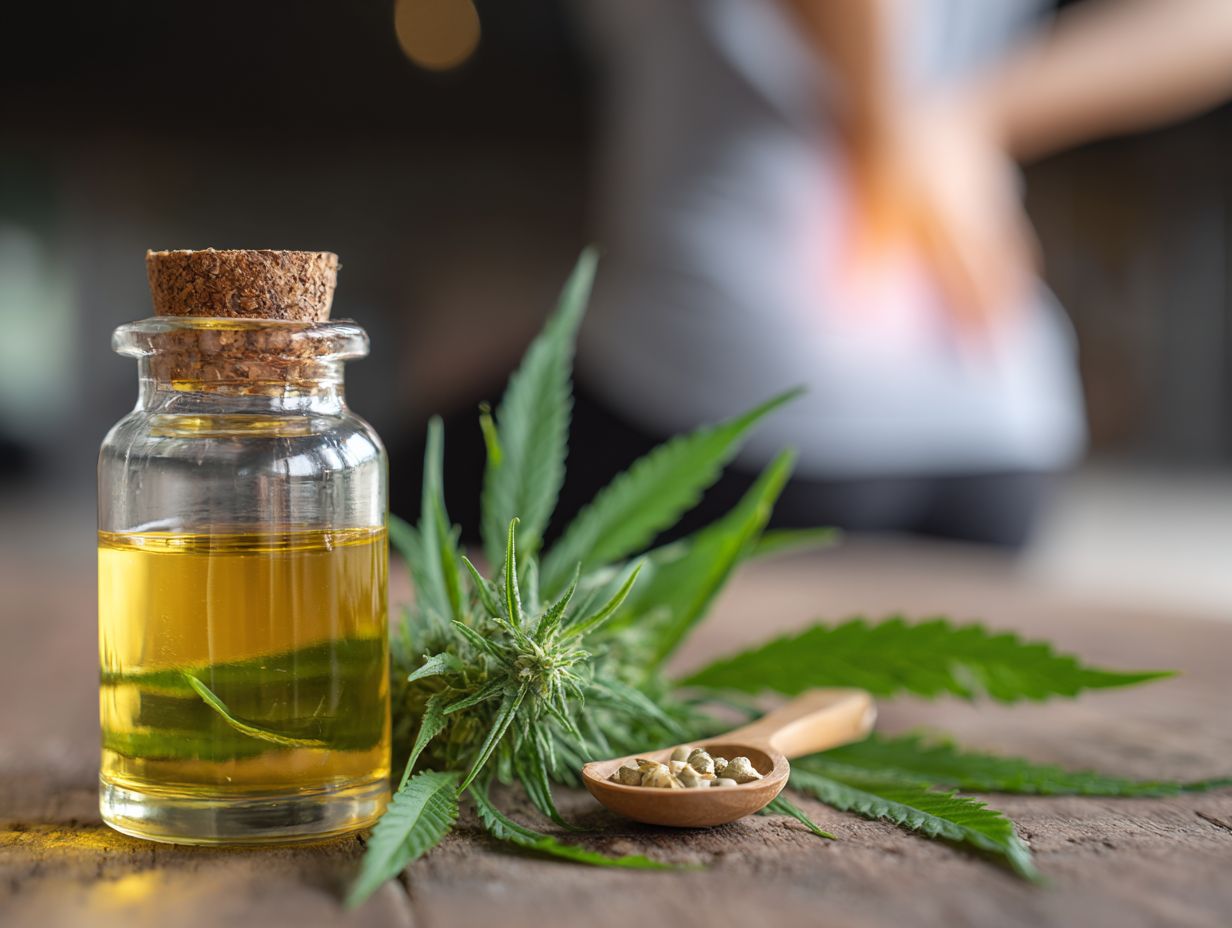
CBD (cannabidiol) is a natural compound derived from the cannabis plant. It works by interacting with the body’s endocannabinoid system, which helps regulate pain, inflammation, and other bodily functions. CBD can help relieve back pain by reducing inflammation and promoting relaxation.
Is CBD the same as marijuana or does it offer integrative health?
No, CBD is not the same as marijuana. While both come from the cannabis plant, CBD is derived from hemp and contains very low levels of THC (the psychoactive compound that produces a “high”). This means that CBD does not have the same mind-altering effects as marijuana and is safe for use.
What types of back pain can CBD help with as a muscle relaxant?
CBD can help with various types of back pain, including chronic pain, acute pain, and pain caused by inflammation or muscle tension. It can also be beneficial for conditions such as sciatica, arthritis, and fibromyalgia that can contribute to back pain.
How do I use CBD for back pain considering extraction methods?
CBD can be consumed in various forms, including oils, capsules, edibles, and topicals. For back pain, topical products may be most effective as they can be applied directly to the source of pain. However, the best method of consumption may vary for each individual, so it’s important to consult with a healthcare professional for personalized recommendations.
Is CBD safe to use for back pain considering public perception and safety regulations?
CBD is generally considered safe for use and is well-tolerated by most individuals. However, it’s important to purchase CBD products from reputable sources and to follow recommended dosages. If you have any underlying health conditions or are taking medications, it’s always best to consult with a healthcare professional before starting CBD use.
Will CBD make me feel high or affect patient care?
No, CBD does not produce a “high” feeling. As mentioned earlier, CBD is derived from hemp and contains very low levels of THC, which is the compound responsible for the mind-altering effects of marijuana. CBD is non-intoxicating and will not impair your judgement or cognitive abilities.