As the popularity of CBD continues to surge, navigating its complex legal landscape and understanding federal and state laws has become increasingly essential for consumers and businesses alike. Understanding the regulations surrounding this cannabinoid is crucial in a market riddled with misinformation and rapidly evolving laws. This guide delves into the fundamentals of CBD, the historical context of cannabis legislation, the current legal framework, regulatory agency roles, anticipated future changes, and the impact of legalization and compliance, equipping readers with the knowledge needed to make informed decisions.
What is CBD?
CBD, or cannabidiol, is one of over 100 cannabinoids present in cannabis, primarily extracted from hemp strains containing less than 0.3% THC, thereby rendering it legal in numerous jurisdictions. Its legality hinges on adherence to the 2018 Farm Bill and state-specific laws.
Chemically, CBD possesses a unique structure that facilitates its interaction with the endocannabinoid system. Unlike THC (tetrahydrocannabinol), which is known for its psychoactive effects, CBD promotes homeostasis without inducing intoxication, thus influencing public health and social equity positively. It interacts with CB1 and CB2 receptors, thereby enhancing the body’s natural processes.
Research indicates potential benefits of CBD, including the reduction of anxiety, alleviation of chronic pain, and improvement of sleep quality. When evaluating CBD products, it is advisable to consider the following options:
- Full-spectrum products, which contain a variety of cannabinoids.
- Isolate products, which consist of pure CBD for individuals wishing to avoid any exposure to THC.
Common Uses and Benefits
CBD is widely utilized for various health purposes, including pain relief, anxiety reduction, and the enhancement of sleep quality. Research indicates that approximately 60% of users experience beneficial outcomes.
To effectively incorporate CBD into one’s regimen, it is advisable to select a reputable product, such as tinctures or gummies. For anxiety management, studies recommend a dosage ranging from 300mg to 600mg for optimal results. Users have reported that administering CBD 30 minutes prior to a stressful event, such as public speaking, significantly alleviates anxiety levels.
For improving sleep quality, it is beneficial to establish a nightly routine that includes the use of CBD oil, with a suggested dosage of around 25mg. Maintaining this consistency, along with implementing lifestyle adjustments such as reducing screen time before bedtime, can enhance the overall effectiveness of CBD in promoting restful sleep.
Historical Context
The legal and cultural history of cannabis, specifically cannabidiol (CBD), is characterized by substantial transformations that mirror evolving societal attitudes and regulatory frameworks.
Early Uses of Cannabis
Cannabis has a long-standing history of utilization for medicinal, recreational, and industrial purposes, with evidence tracing back thousands of years.
In ancient China, around 2700 BCE, Emperor Shen Nong documented cannabis in medicinal texts, highlighting its analgesic properties. Additionally, the Egyptians employed cannabis to treat a variety of ailments, as evidenced by artifacts found in tombs dating back to approximately 1500 BCE.
In India, cannabis was incorporated into Ayurvedic medicine, particularly for its calming effects, as early as 1000 BCE. These historical examples demonstrate how various cultures acknowledged and utilized the therapeutic value of cannabis, thereby establishing a foundation for its contemporary applications.
Legislative Milestones
Key legislative milestones, such as the 2018 Farm Bill, have profoundly influenced the current legal framework surrounding CBD and hemp-derived products in the United States. The 2018 Farm Bill legalized hemp cultivation, marking a pivotal moment for the CBD industry.
In the wake of this legislation, various states, including Colorado and California, initiated regulatory reforms, establishing comprehensive frameworks by 2020, considering factors like consumer rights, taxation, and advocacy. In 2021, the Food and Drug Administration (FDA) began to evaluate potential additional regulations for CBD, particularly concerning labeling practices and health claims.
Prominent figures in these developments include Senator Mitch McConnell, who advocated for the Farm Bill, as well as FDA officials who have emphasized the need for clearer guidelines. For businesses operating in this sector, maintaining compliance necessitates a diligent review of local regulations and close monitoring of federal updates, as this regulatory landscape continues to evolve rapidly.
Current Legal Framework
The existing legal framework governing CBD comprises a complex interplay of federal and state laws, which can differ substantially across the United States.
Federal Regulations
At the federal level, the FDA regulates CBD as a food supplement and has established guidelines concerning its safety and efficacy in various products. Manufacturers are required to ensure that their products comply with these guidelines, which include comprehensive testing for contaminants and accurate labeling of CBD content.
For example, products must not make unverified health claims, and the CBD concentration must align with the specifications indicated on the label. The FDA also closely examines marketing practices to prevent any misleading representations to consumers, ensuring that marketing restrictions and product labeling are compliant with industry standards.
To enhance product quality and safety, companies should engage third-party testing laboratories, such as ProVerde Laboratories, to validate their claims. Adhering to these practices not only protects against regulatory actions but also cultivates consumer trust, ultimately promoting brand loyalty.
State Laws Overview
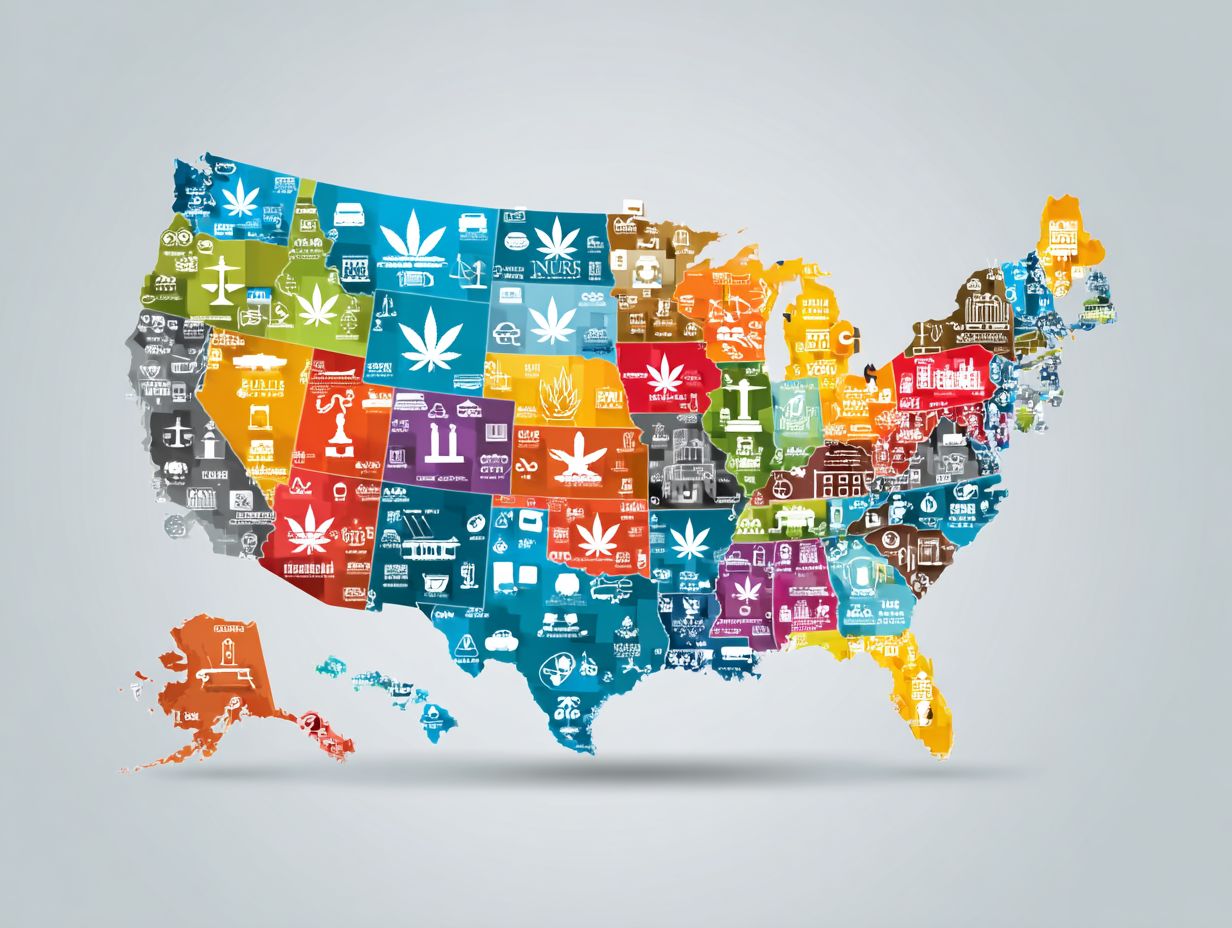
State laws regarding CBD exhibit significant variation, with each of the 50 states enforcing distinct regulations that impact production, sale, and consumption.
For example, states such as Colorado and California have adopted a more favorable stance toward CBD, instituting relaxed regulations that foster a thriving market.
In contrast, states like Idaho and Nebraska uphold stricter laws, resulting in limited access and use of CBD products.
For individuals seeking current information on these legal discrepancies, the National Conference of State Legislatures (NCSL) offers comprehensive resources. Their platform features interactive maps and databases that clearly delineate the status of CBD legislation across all states, thereby assisting consumers and businesses in navigating this continually evolving regulatory landscape.
Regulatory Agencies and Their Roles
Numerous regulatory agencies are responsible for overseeing the production, sale, and marketing of CBD, each possessing specific roles and requirements that significantly influence the industry.
FDA’s Stance on CBD
The FDA’s position on CBD encompasses rigorous guidelines concerning product safety, labeling, and marketing claims to safeguard consumer interests.
Specifically, CBD manufacturers are required to comply with safety standards that ensure their products are free from harmful contaminants, including pesticides and heavy metals. Regarding labeling, products must accurately reflect their contents, including the quantity of CBD and any additional ingredients. Recent discussions have underscored the necessity for more comprehensive regulations, particularly emphasizing the need for clinical evidence to support health claims.
In 2023, the FDA convened hearings to solicit input on these matters, indicating the possibility of forthcoming regulatory changes that may impact the marketing and sale of CBD products.
USDA and Hemp Production
The United States Department of Agriculture (USDA) oversees the regulation of hemp production by providing comprehensive guidelines for growers to ensure adherence to federal standards concerning THC levels and crop management.
These guidelines specify that hemp must contain less than 0.3% THC to be classified as a legal crop. Additionally, growers are required to submit a detailed plan that encompasses seed sourcing, cultivation practices, and post-harvest handling processes.
For example, utilizing certified seeds can significantly reduce the risk of exceeding THC thresholds. It is essential for growers to comply with state regulations, as certain states may enforce stricter requirements.
These regulations have a profound impact on the CBD market; inconsistent quality can result in legal challenges, litigation, and consumer distrust, which, in turn, can adversely affect sales and impede market growth.
Challenges and Controversies
Despite its widespread popularity, the CBD market encounters various challenges and controversies, such as enforcement issues and misinformation, that may hinder its growth and affect consumer trust.
Quality Control Issues
Quality control presents a significant challenge within the CBD industry, with concerns such as inconsistent potency and contamination posing risks to consumer safety and health benefits. Noteworthy incidents, including the 2020 recall of a well-known CBD oil brand due to undisclosed THC levels, underscore these potential dangers.
Manufacturers are encouraged to adopt advanced testing methods, such as third-party laboratory analysis, to ensure both product consistency and safety. The implementation of quality management systems, such as ISO 9001, can assist in standardizing procedures and preventing defects.
Furthermore, conducting regular audits and providing employee training on best practices can enhance product integrity. These measures ultimately foster consumer trust and mitigate the likelihood of product recalls.
Misleading Marketing Practices
Misleading marketing practices within the CBD sector, such as improper distribution channels and lack of quality assurance, can lead to consumer confusion and mistrust, ultimately affecting the overall credibility of the industry. Common issues include inflated health claims, such as assertions of curing chronic illnesses without scientific evidence, as well as ambiguous sourcing descriptions that leave consumers uncertain about product safety.
To uphold integrity, brands should adhere to best practices, which include providing clear and verifiable information regarding source materials, extraction methods, and refraining from making unsupported health claims. The utilization of third-party lab testing results and transparent ingredient lists can significantly enhance consumer trust, while explicit disclaimers about potential effects can help establish accurate expectations.
By adhering to these guidelines, companies can bolster their credibility and foster strong, loyal relationships with their customers.
Future of CBD Legislation and Licensing
The future of CBD legislation is expected to evolve in response to shifting public opinion and emerging market trends that influence consumer demand and product types such as edibles, topicals, and oils.
Potential Changes on the Horizon and Economic Impact
Proposed amendments to legislation concerning CBD may involve the implementation of stricter regulations on marketing practices, branding, and the establishment of clearer labeling requirements to safeguard consumer interests.
These modifications could necessitate that manufacturers provide comprehensive ingredient lists and specify THC content in a more transparent manner, addressing environmental impact, thereby ensuring that consumers are adequately informed. For instance, the FDA may require that all CBD products undergo independent third-party testing, thereby enhancing safety and quality control standards.
Furthermore, marketing practices may be subject to limitations regarding health claims, which would curtail misleading statements that imply therapeutic effects and side effects not substantiated by scientific research. Companies will need to adapt to these emerging regulations by updating packaging and revising advertising strategies, which is likely to result in additional compliance costs.
Impact of Public Opinion
Public opinion exerts a significant influence on the legislative landscape pertaining to CBD, affecting policymakers and shaping market trends, including international laws and trade regulations. Recent surveys indicate that over 60% of consumers hold a positive view of CBD, with considerable support for its therapeutic benefits.
This evolving perception is encouraging local governments to contemplate more lenient regulatory measures and reduce stigma associated with CBD.
For example, states such as Colorado and California have already established frameworks to facilitate the growth and sale of CBD products, focusing on sustainable practices and community impact. Moreover, tools such as surveys and focus groups can assist businesses in assessing consumer attitudes and adjusting their strategies accordingly.
As public support continues to rise, one can anticipate an increase in both legislative initiatives and market opportunities.
Key Takeaways
The evolution of the CBD market is characterized by a combination of opportunities and challenges, including legal issues and potential court cases, underscoring the necessity for well-considered choices among both consumers and businesses.
To navigate this market effectively, the following essential takeaways should be considered:
- Prioritize legal compliance by staying informed about local and federal regulations, which may vary significantly.
- Emphasize consumer safety by sourcing products that have undergone third-party testing for purity, potency, and terpenes content.
- Engage in continuous education regarding new research, pharmacology, and emerging trends to maintain a competitive edge.
Additionally, fostering transparency in labeling is crucial for building consumer trust. By implementing these strategies, businesses can position themselves more effectively within this rapidly evolving industry.
Frequently Asked Questions
What is CBD and why is it gaining popularity?
CBD, short for cannabidiol, is a compound found in the cannabis plant. Unlike its cousin THC, it does not produce psychoactive effects, making it a popular choice for medical use, wellness, and recreational use purposes.
Is CBD legal in the United States?
The legal landscape of CBD in the U.S. can be quite complex. The 2018 Farm Bill legalized the production and sale of hemp-derived CBD with less than 0.3% THC, but state laws vary and can restrict its use in certain products or for certain purposes.
Can I travel with CBD products?
While CBD derived from hemp is legal under federal law, it is still illegal under some state laws. This means that traveling with CBD products can be risky and it’s important to research the laws of your destination before packing any CBD products.
What is the FDA’s stance on CBD?
The FDA has approved one CBD-based medication, Epidiolex, for the treatment of seizures associated with two rare forms of epilepsy, highlighting its potential therapeutic effects.
However, the FDA has not approved CBD for any other use, including as a dietary supplement or in food or beverages.
Are there any potential legal risks for using CBD?
Yes, there are potential legal risks associated with using CBD, including penalties and criminalization in certain jurisdictions.
As mentioned, state laws vary and can restrict its use. Additionally, the FDA has issued warning letters to companies making false or unsubstantiated claims about their CBD products, so it’s important to do your research and purchase from reputable sources.
Will the legal landscape of CBD in the U.S. continue to change?
As with any emerging industry, the legal landscape of CBD in the U.S. is constantly evolving, influenced by the DEA and 2018 Farm Bill regulations.
It’s important to stay informed about federal and state laws and regulations, as well as any updates from the FDA. Consulting with a lawyer who specializes in cannabis law can also be helpful in navigating this complex landscape.