
Determining the most effective format for CBD can significantly impact your experience with back pain relief. As the popularity of CBD continues to rise, understanding the nuances of topicals, tinctures, capsules, and gummies becomes essential. Each format offers unique benefits and drawbacks that can influence efficacy, onset time, and convenience. This exploration will guide you through the differences, enableing you to make an informed choice for your specific needs.
Overview of CBD and Its Benefits

Cannabidiol (CBD) is a non-psychoactive compound extracted from hemp that offers numerous therapeutic benefits, including pain relief, reduced inflammation, and enhanced overall well-being through its interaction with cannabinoid receptors and the endocannabinoid system.
Research substantiates these assertions, particularly a 2020 review published in the Journal of Pain Research, which concluded that CBD significantly alleviated chronic pain, particularly in cases of back pain.
To utilize CBD effectively, it is advisable to start with either a full-spectrum oil or an isolate tincture, ensuring precise measurement of doses. Many users report that a daily intake of 20-40 mg yields noticeable effects.
Topical applications, such as creams or balms, can be applied directly to localized areas of pain, often providing relief within minutes. It is essential to consult with a healthcare provider prior to initiating any CBD regimen to tailor the dosage to individual needs and ensure safety.
Importance of Choosing the Right Format
Selecting the appropriate CBD format-whether topicals, tinctures, capsules, or gummies-can significantly impact both the effectiveness and user experience in managing back pain, taking into account factors such as absorption and bioavailability.
For instance, tinctures provide rapid relief due to their direct absorption into the bloodstream, making them particularly suitable for acute pain. Capsules offer a convenient and discreet option; however, they typically take longer to metabolize.
Topicals, in contrast, deliver localized relief and are particularly effective for addressing muscle or joint pain. Gummies combine ease of use with a pleasant taste, but they may result in delayed effects.
It is essential to consider one’s specific needs, lifestyle, and the desired onset time when selecting the appropriate format for optimal pain management.
Topicals for Back Pain
Topical CBD products, including creams and balms, offer localized relief for back pain by directly interacting with cannabinoid receptors present in the skin.
How Topicals Work
Topicals are formulated to penetrate the skin and deliver CBD directly to the affected area, providing prompt relief from discomfort without producing systemic effects.
Research indicates that CBD topicals can effectively reduce inflammation and alleviate pain. For relief from back pain, it is typically recommended to use a topical product containing a concentration of 250-500 mg of CBD.
Reputable brands such as Charlotte’s Web and CBDistillery offer options that are designed for rapid absorption and ease of application. It is advisable to massage the cream directly onto the sore area two to three times daily to optimize absorption.
Incorporating topicals with gentle stretching or thermotherapy may enhance results, addressing both the symptoms and the underlying causes of discomfort.
Benefits and Drawbacks
Topical treatments offer targeted relief and possess a safety profile characterized by minimal side effects; however, their effectiveness can vary depending on formulation and individual skin types.
For instance, CBDistillery’s Topical Salve provides localized relief through a combination of full-spectrum CBD and natural oils, making it particularly suitable for alleviating sore muscles. In contrast, MedTerra’s Pain Relief Cream utilizes menthol to deliver a cooling sensation, while Charlotte’s Web’s Recovery Balm incorporates essential oils for enhanced skin nourishment.
To identify the most suitable product, it is advisable to apply a small amount to the affected area and observe the response over several days. Personalized trials will assist in determining which product best meets individual needs.
Tinctures for Back Pain
CBD tinctures, administered sublingually, provide an efficient approach for managing back pain, owing to their high bioavailability and accurate dosing capabilities, offering therapeutic effects and supporting holistic health.
How Tinctures Are Used

Administering tinctures requires placing a few drops under the tongue, which allows for rapid absorption into the bloodstream, facilitating quicker pain relief.
For effective use, it is recommended to begin with a dosage of 5-10 drops, adjusting as necessary based on individual needs and tolerance. It is advisable to retain the tincture under the tongue for 30-60 seconds prior to swallowing to optimize absorption.
Users typically report experiencing effects within 15-30 minutes, making it essential to closely monitor the body’s response.
If pain relief proves insufficient, individuals should gradually increase their dosage by one drop at a time. To maintain potency and ensure effectiveness over time, tinctures should be stored in a cool, dark place.
Benefits and Drawbacks
Tinctures are recognized for their high bioavailability and the ease with which they can be customized; however, some users may find the taste to be more pronounced and potentially off-putting.
To address this taste concern, it is advisable to explore flavored options such as mint or citrus, which can effectively mask the natural bitterness.
Popular choices in the market include:
- Charlotte’s Web CBD Oil, renowned for its quality and variety of flavors.
- Lazarus Naturals, which provides high-strength tinctures available in peppermint flavor.
Many users have experienced success by incorporating tinctures into food or beverages, a method that not only enhances flavor but also facilitates precise dosing. It is important to store tinctures in a cool, dark environment to preserve their potency.
Capsules for Back Pain
CBD capsules provide a convenient and pre-measured method of CBD consumption, simplifying the dosing process.
This format is particularly appealing to individuals who prefer a more traditional approach to intake.
How Capsules Work
Capsules release CBD during the digestive process, resulting in slower onset times but potentially longer-lasting effects compared to other formats. The typical onset time for CBD capsules ranges from 30 minutes to 2 hours, influenced by an individual’s metabolism and whether they have consumed food.
For the relief of back pain, a common dosage is between 10 and 25 mg of CBD, which can be adjusted based on personal tolerance and the severity of the pain. It is advisable to begin with a lower dosage and gradually increase it to determine the optimal amount for individual needs.
Establishing a consistent schedule, such as taking capsules at the same time each day, can enhance effectiveness and ensure a steady supply of cannabinoids in the system.
Benefits and Drawbacks
The primary advantages of capsules include precise dosing and a lack of taste, while the disadvantages involve slower absorption rates and reduced flexibility in adjusting dosages.
The delayed onset of effects can be a significant drawback, particularly for individuals seeking immediate relief from chronic pain.
For instance, if rapid pain relief is necessary, liquid tinctures may be a more suitable option due to their faster absorption rate. Additionally, capsules can complicate dosage adjustments; for example, if a slight increase in intake is required, liquid forms facilitate accurate measurements, whereas multiple capsules would need to be consumed to achieve the same effect.
It is essential to consider these factors carefully when determining the dosage form that best meets your needs.
Gummies for Back Pain
CBD gummies effectively combine the therapeutic benefits of cannabidiol (CBD) with an enjoyable format, presenting an attractive option for individuals seeking to manage their back pain while indulging in a delightful treat.
How Gummies Are Consumed
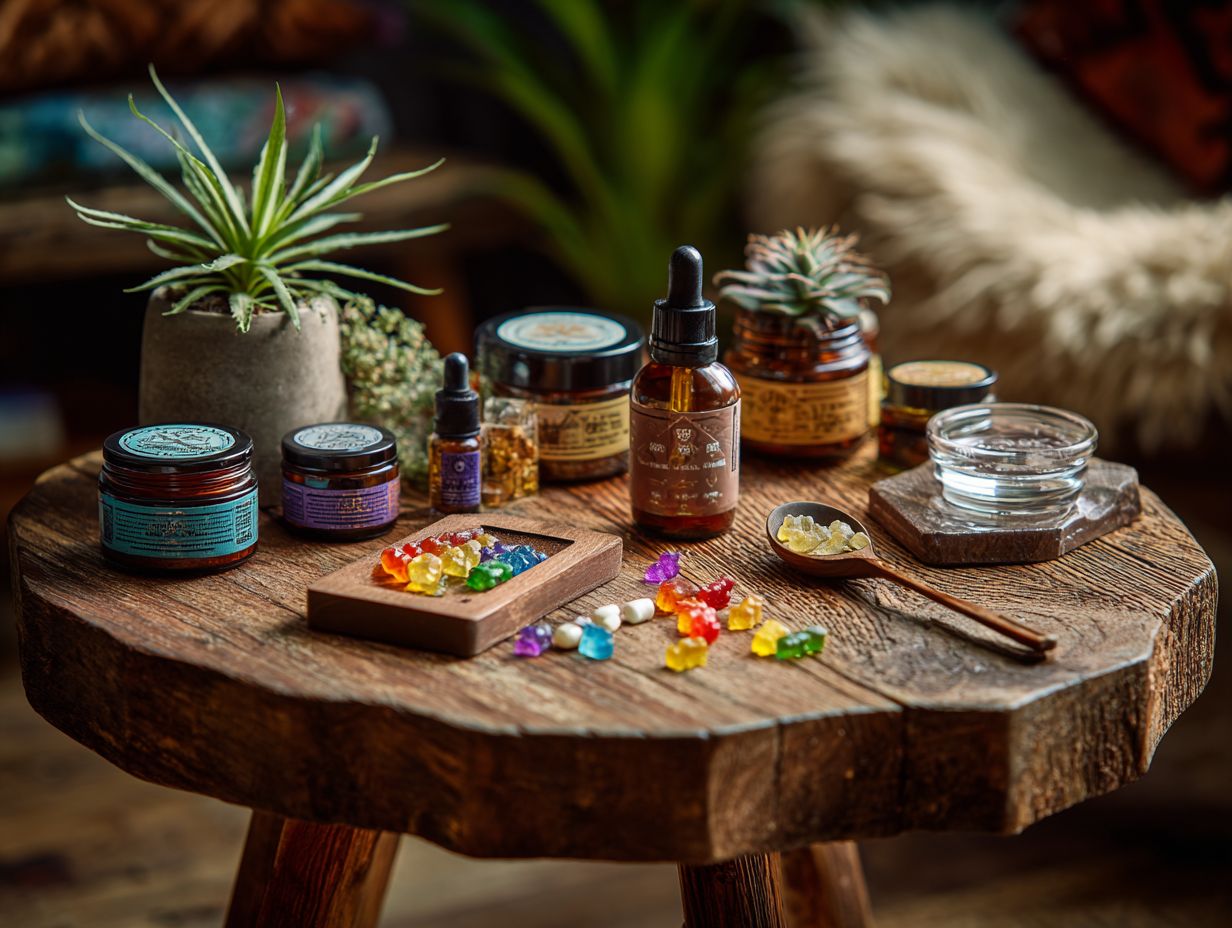
Gummies are commonly consumed in a manner similar to regular candy, providing a discreet and enjoyable means of integrating CBD into one’s daily routine.
To optimize their benefits, it is advisable to commence with a serving size of 10-25mg of CBD, depending on individual experience and tolerance levels. It is recommended to chew the gummies thoroughly before swallowing, as this practice enhances absorption and allows the CBD to enter the bloodstream more effectively.
For optimal effects, one should consider consuming the gummies on an empty stomach or in conjunction with a light meal that is rich in healthy fats, such as avocados or nuts.
It is important to note that individual responses to CBD may vary; therefore, it is prudent to adjust the dosage gradually to identify the most suitable amount for one’s needs.
Benefits and Drawbacks
CBD gummies present an enjoyable and discreet method for CBD consumption; however, they frequently contain added sugars and may exhibit variable potency in comparison to tinctures or capsules.
To address the issue of sugar content, one may consider selecting sugar-free CBD gummies that utilize natural sweeteners such as erythritol or stevia. It is advisable to choose reputable brands like Sunday Scaries or Green Roads, which provide transparent lab testing results for potency, ensuring consumers are well-informed about their intake.
For those seeking more immediate relief, tinctures are typically more effective due to their rapid absorption into the bloodstream. Additionally, for a comprehensive approach, combining both forms may offer an optimal balance between flavor and therapeutic efficacy, considering consumer preferences and user satisfaction.
Comparative Analysis of Formats
A comparative analysis of CBD formats demonstrates significant variations in effectiveness, user experience, patient experiences, and suitability for pain management based on individual requirements.
Effectiveness for Pain Relief
Research indicates that topical applications offer immediate localized relief, while tinctures and capsules are more effective for systemic pain management. Administration methods vary greatly, and each has unique health benefits and therapeutic applications.
When selecting between these formats, it is important to consider the specific use cases. For localized pain, one should opt for topicals such as creams or ointments containing 500 mg of CBD, as they can be directly applied to the affected area and provide swift relief, especially for muscle tension and stress relief.
Conversely, for conditions that affect multiple areas or require broader relief, tinctures, such as those offered by Charlotte’s Web, provide adjustable dosing and facilitate faster absorption into the bloodstream.
Capsules, on the other hand, deliver a consistent, slow-release effect, making them particularly suitable for chronic pain management. The effectiveness of each method varies based on individual needs and the type of pain experienced, highlighting the importance of personal experience and dosage guidelines.
Onset Time and Duration
The onset time and duration of effects associated with various CBD formats exhibit significant variability. Topicals typically produce effects within minutes, while capsules may require several hours to manifest their full impact. Onset time and duration are key factors in assessing product efficacy and patient education.
For example, CBD topicals, such as creams or balms, can deliver relief from pain or inflammation almost immediately upon application to the skin. In contrast, CBD capsules generally begin to take effect within 30 minutes to 2 hours, offering longer-lasting relief for conditions such as anxiety or chronic pain.
Tinctures provide a balance of convenience and rapid effects, often becoming effective within 15 to 30 minutes. Individuals should select their preferred format based on their specific needs for timely relief and the duration of effects that align with their lifestyle.
Factors to Consider
When selecting a CBD format, it is essential to consider several factors, including bioavailability, ease of use, taste, and individual lifestyle preferences to determine the most suitable option for one’s needs, such as the delivery systems and ingestion methods.
For example, oils and tinctures are known for their high bioavailability and versatility, making them appropriate for precise dosing. Conversely, capsules offer convenience and are particularly beneficial for individuals who may not favor the earthy taste of oils.
For those with an active lifestyle, gummies present an appealing option; however, it is important to note that they may exhibit lower bioavailability compared to oil tinctures and softgels.
To facilitate an informed decision, it is advisable to reflect on your daily routine and preferences, such as whether you favor a quick dose or a delayed-release formulation. This thoughtful approach will help ensure that your CBD usage integrates seamlessly with your lifestyle.
Frequently Asked Questions
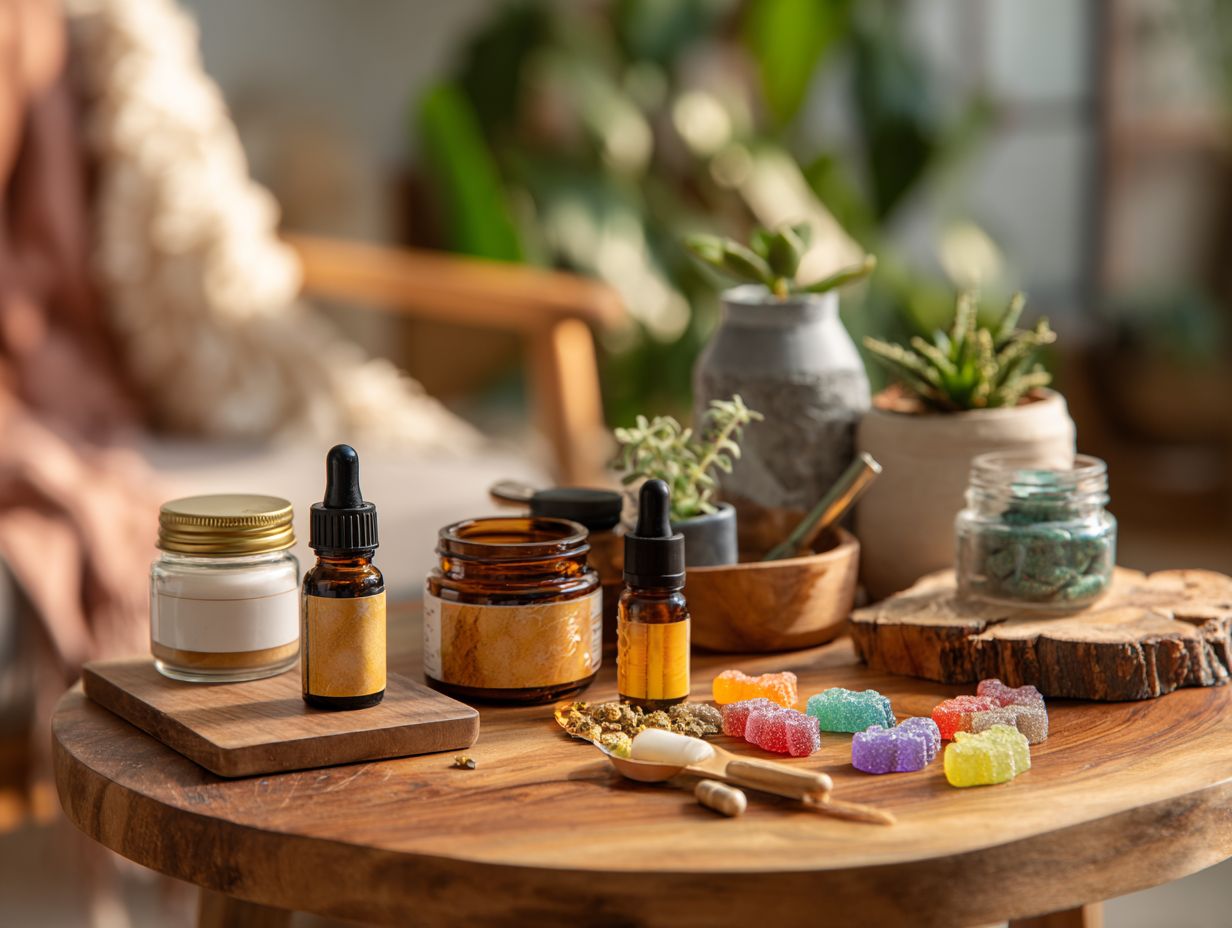
What are the differences between topicals, tinctures, capsules, and gummies for treating back pain?
Topicals are applied directly to the skin and are typically used for localized pain relief. Tinctures are taken orally and are absorbed through the bloodstream for more widespread pain relief. Capsules and gummies are also taken orally and offer more controlled and long-lasting relief.
Which CBD format is best for back pain?
The best CBD format for back pain may vary for each individual. Topicals may be more effective for muscle or joint pain, while tinctures may provide overall pain relief. Capsules and gummies are a convenient option for daily pain management, supported by clinical studies and user recommendations.
Are there any side effects of using topicals, tinctures, capsules, or gummies for back pain?
CBD is generally considered safe and has minimal side effects. However, some people may experience dry mouth, drowsiness, or changes in appetite. It’s important to consult with a healthcare professional before using CBD, especially if you are taking other medications. Always consider medical advice and risk assessment.
Can I use topicals, tinctures, capsules, or gummies for back pain while pregnant or breastfeeding?
It is not recommended to use CBD while pregnant or breastfeeding as there is limited research on the effects on the developing fetus or breastfed infants. It’s always best to consult with a doctor before using any CBD products during pregnancy or while breastfeeding, considering regulation and legal considerations.
How long does it take for topicals, tinctures, capsules, or gummies to start working for back pain?
The time it takes for CBD to start working for back pain can vary depending on the format and individual. Topicals may have a more immediate effect, while tinctures, capsules, and gummies may take longer to be absorbed and take effect, depending on the extraction methods and delivery systems used.
How do I choose between topicals, tinctures, capsules, and gummies for back pain relief?
The best way to choose between these formats is to try them and see which one works best for you. Keep in mind your specific needs and preferences, and consult with a healthcare professional for guidance on which format may be most effective for your back pain. Refer to online reviews, customer service, and product range for additional insights.