
Navigating the realm of CBD products can be daunting, especially when it comes to ensuring quality and safety. A Certificate of Analysis (COA) serves as an essential tool, revealing crucial insights about a product’s content and purity. Understanding how to interpret a COA not only enables consumers but also aids in spotting potential red flags. This guide delves into COA components, highlights key cannabinoids, and identifies contaminants, equipping you with the knowledge to make informed choices in a crowded marketplace.
What is a Certificate Format COA?

A Certificate of Analysis (COA) is an official document issued by accredited laboratories that verifies the results of testing conducted on a specific batch of CBD products, ensuring compliance with industry standards and regulatory requirements.
A comprehensive COA includes essential elements such as cannabinoid profiles, which detail the concentrations of CBD, THC, and other cannabinoids present in the product. Additionally, it assesses potential contaminants, including heavy metals, pesticides, and microbial agents, to ensure the safety of the product.
Each batch number is associated with specific tests, enabling consumers to trace the origins of the product. Reputable laboratories, such as ProVerde Laboratories and SC Labs, provide these detailed COAs, thereby promoting transparency and reliability within the CBD market.
It is imperative to verify that the laboratory is accredited by a recognized authority to ensure the credibility of the results.
Importance of Reading a Lab Report COA
Reading a Certificate of Analysis (COA) is essential, as it enables consumers to confirm the safety, potency, and legality of the CBD products they intend to purchase. Understanding the significance of a COA can help prevent costly errors.
For example, in 2021, a well-known CBD brand experienced a substantial recall due to their products containing only 50% of the claimed cannabinoid levels, revealing discrepancies in product labeling and testing accuracy.
It is advisable to seek COAs from independent laboratories, as these documents provide verification of the product’s actual cannabinoid content and check for contaminants, such as heavy metals or pesticides.
Resources such as Leafly and Project CBD can assist consumers in identifying reputable brands that consistently supply verifiable COAs, thereby facilitating more informed and safer purchasing decisions.
Understanding the Analysis Method Components of a COA
A comprehensive Certificate of Analysis (COA) encompasses several essential components that offer valuable insights into the quality and safety of CBD products, thereby ensuring compliance with industry standards.
Laboratory Practices Information
Lab information on a Certificate of Analysis (COA) includes crucial details such as the laboratory’s name, accreditation status, and contact information, which collectively establish the laboratory’s credibility in testing practices.
Accreditation is of paramount importance, as it signifies compliance with stringent quality standards. Organizations such as the International Organization for Standardization (ISO), the American Association for Laboratory Accreditation (A2LA), and the American National Standards Institute (ANSI) provide credible certification processes.
For example, an ISO 17025 accreditation ensures that laboratories comply with high international standards for testing and calibration. Reputable laboratories, including SGS and Intertek, are often ISO certified, further enhancing their reliability.
Clients are strongly encouraged to verify a laboratory’s accreditation status, as this directly influences the trustworthiness of the test results presented on the COA.
Product Transparency Information
Product information on a Certificate of Analysis (COA) includes essential data such as the product name, batch number, and expiration date, which are critical for ensuring traceability and safety. This labeling enables consumers to verify the authenticity of the products they purchase.
For instance, in 2018, a well-known supplement brand faced a recall due to incorrect labeling that inaccurately claimed its fish oil product contained elevated levels of omega-3 fatty acids. Consumers who relied on the COA for quality assurance were misled, resulting in a loss of trust and financial implications.
By ensuring accurate labeling on COAs, companies can promote transparency and safeguard their reputation while enableing consumers to make informed decisions.
Testing Guidelines Methods

The testing methods section of a Certificate of Analysis (COA) delineates the analytical methods employed to assess the cannabinoid content and safety profile of the product.
Two prevalent testing methods utilized are High-Performance Liquid Chromatography (HPLC) and Gas Chromatography (GC). HPLC is essential due to its capability to separate and quantify cannabinoids without the need for vaporization, making it particularly suitable for heat-sensitive compounds. Conversely, while GC is effective for the analysis of terpenes, it requires heating, which may alter the composition of certain cannabinoids.
The utilization of both methods provides a comprehensive evaluation of the product, ensuring verification of both potency and purity, while simultaneously adhering to safety standards and regulatory compliance.
Key Cannabinoids to Look For
Understanding the key cannabinoids listed in a Certificate of Analysis (COA) is essential for consumers to evaluate the efficacy and therapeutic potential of CBD products.
THC Levels
THC levels must be closely monitored to ensure compliance with legal regulations and to prevent psychoactive effects in consumers. In the United States, acceptable THC levels vary by state; for example, California permits levels of up to 0.3% for hemp, whereas Colorado has established stricter limits of 1% for hemp-derived products.
Consumers are advised to consult local regulations prior to purchasing or using such products. A notable instance of legal repercussions involved a well-known vape manufacturer whose product tested at 0.5% THC, surpassing Nevada’s established limit. This situation resulted in a recall and substantial fines, underscoring the critical importance of adhering to defined THC thresholds to maintain market trust and ensure consumer safety.
CBD Concentration in Infused Products
CBD concentration serves as an indicator of the product’s potency, allowing consumers to select products that are tailored to their therapeutic needs and dosage requirements, supporting consumer education efforts.
Comprehending CBD concentration is essential for making informed purchasing decisions. For instance, an individual seeking relief from pain may opt for a product containing 15 mg per dose, whereas another individual addressing anxiety might prefer a dosage of 30 mg.
A case study conducted at a wellness clinic revealed that patients who adjusted their dosages based on periodic evaluations experienced improved outcomes.
Additionally, tools such as the CBD Dosage Calculator can aid individuals in determining their appropriate dosage based on body weight and desired effects. It is important to always consult with a healthcare professional prior to initiating any CBD regimen to effectively customize your approach.
Identifying Contaminants
The identification of contaminants in CBD products is crucial for ensuring consumer safety and maintaining product integrity, thereby fostering confidence in the market.
Pesticides and Unapproved Substances

Pesticide testing conducted on a Certificate of Analysis (COA) has indicated the presence of harmful chemicals that may pose significant health risks to consumers of CBD products.
Common pesticides tested for in CBD products, a.k.a herbal supplements, include glyphosate, chlorpyrifos, and permethrin.
Independent tests revealed that products such as ‘PureKana CBD Oil’ and ‘Joy Organics CBD Tincture’ exceeded acceptable levels of glyphosate, leading to product recalls and substantial criticism from consumers. These findings not only resulted in fines but also adversely affected the brands’ reputations.
To mitigate such issues, it is imperative for companies to carry out rigorous pesticide testing, utilizing laboratories that are certified by the State Department of Public Health to ensure the reliability of results.
Heavy Metals and Contaminant Testing
Testing for heavy metals constitutes a critical aspect of Certificate of Analysis (COA) evaluation, as these contaminants have the potential to accumulate within the human body, resulting in serious health complications.
Common sources of heavy metal contamination include polluted water supplies, industrial emissions, and certain food products, particularly seafood and imported toys. For example, in 2016, a well-known brand of baby food was subject to a recall due to elevated lead levels identified during routine testing.
Regular testing is imperative for the early detection of such issues; utilizing accredited laboratories and adhering to Environmental Protection Agency (EPA) guidelines can ensure the accuracy of the results, thereby promoting quality control and consumer protection.
Implementing rigorous testing protocols serves to protect both consumers and manufacturers from harmful exposures and potential liabilities.
Red Flags and Risk Assessment to Watch Out For
Consumers are encouraged to remain attentive to any red flags present in Certificates of Analysis (COAs) that may indicate potential concerns regarding product safety or quality assurance.
Inconsistent Results
Inconsistent results among multiple Certificates of Analysis (COAs) for the same product may indicate unreliable testing methodologies and potential quality concerns. For instance, a protein powder could demonstrate varying protein content across different analyses, which may lead consumers to question its effectiveness. Companies such as XYZ Supplement Co. have encountered significant backlash when independent testing revealed discrepancies of up to 30% in protein levels.
To foster trust, consumers should take the initiative to request transparency from manufacturers regarding their testing protocols and Product Safety Testing. This includes inquiries about the use of third-party laboratories, the Testing Equipment utilized, and the frequency of these tests.
Such diligence can contribute to ensuring product quality and safeguarding against misleading Labeling practices, enhancing Consumer Awareness.
Lack of Transparency
A lack of transparency in the Certificate of Analysis (COA) process can serve as a significant red flag, indicating that a product may not comply with established safety and Quality Assurance standards. It is essential for brands to disclose their testing methods, including Analytical Methods and Testing Protocols, and results to foster consumer trust.
For instance, companies such as Labdoor and Consumer Reports are recognized for their publication of unbiased product evaluations, which provide clear insights into their Testing Guidelines and protocols.
In contrast, brands like Herbalife have encountered criticism due to vague disclosures, which has raised concerns regarding product integrity and Compliance. By transparently sharing Certificates of Analysis (COAs), Lab Reports, and comprehensive test results, companies can demonstrate their commitment to quality, thus gaining a competitive advantage in the market and reassuring consumers about their adherence to Safety Standards.
Making Informed Choices
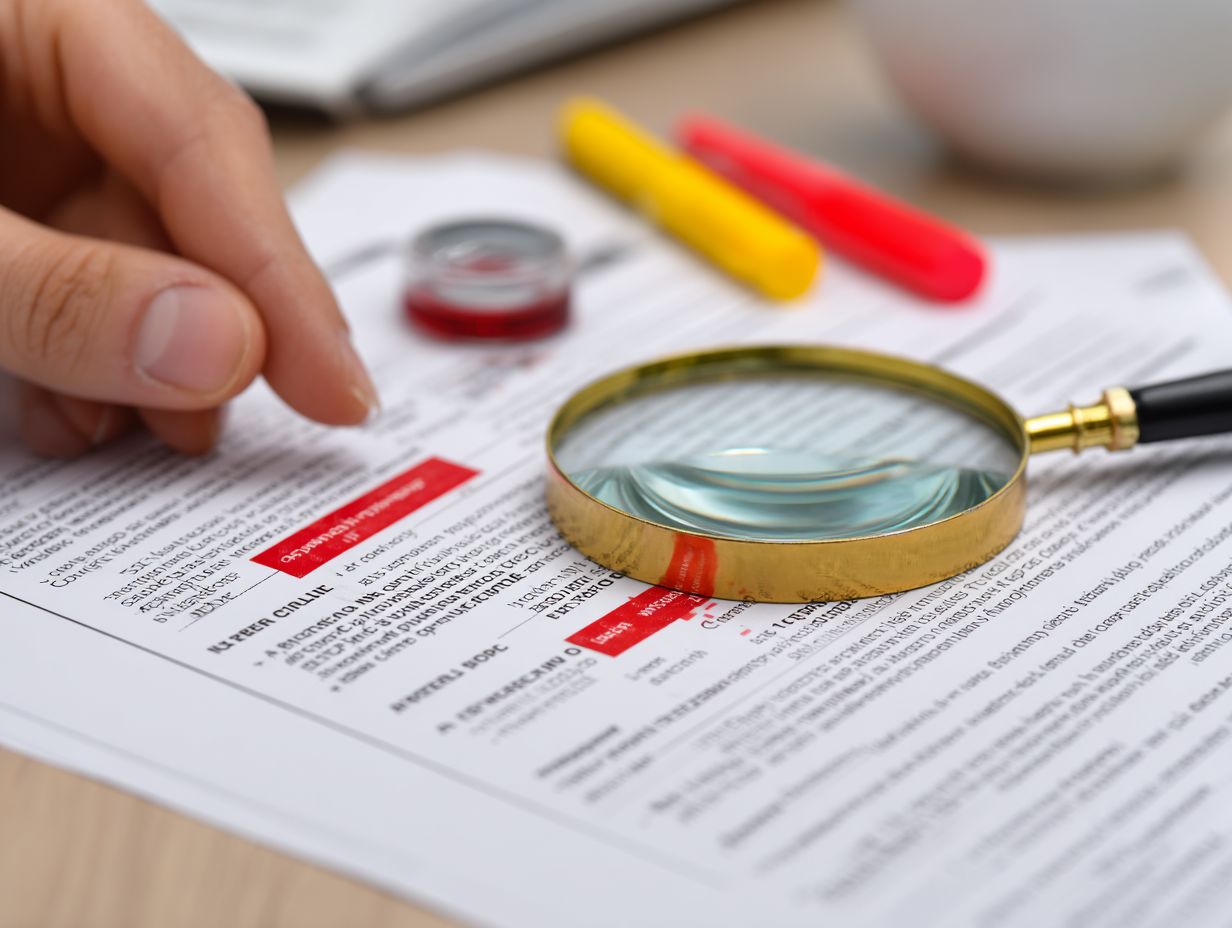
By conducting a thorough review of Certificates of Analysis (COAs), consumers can ensure they are selecting safe, effective, and high-quality CBD Products that are tailored to their specific needs, enhancing Consumer Protection and Consumer Rights.
To effectively interpret a Certificate of Analysis (COA), please follow these steps:
- First, verify the laboratory that performed the testing; reputable laboratories should be ISO-certified and hold Lab Accreditation.
- Next, examine the Cannabinoid content to confirm that it aligns with the product label, ensuring accurate Dosage Information.
- Review the tests for Contaminants, including Pesticides, Heavy Metals, and Microbial content, as these factors are indicative of Product Safety and Quality Control.
- Finally, take note of the date of testing; products should be analyzed recently to maintain optimal relevance and ensure the Expiration Date is clear.
By systematically reviewing these components, consumers can confidently select products that meet their quality standards, ensuring Product Information is accurate and Manufacturer Reputation is upheld.
Frequently Asked Questions
Explore more about Testing Standards and Consumer Guidance to make informed choices.
What is a CBD COA (Lab Report) and why is it important?
A CBD COA (Certificate of Analysis) is a document provided by a third-party laboratory that shows the results of testing for a CBD product. It is important because it provides information on the Potency, purity, and Product Safety of the product, aiding in Consumer Education.
How do I read a CBD COA (Lab Report) and understand the information?
A CBD COA usually includes a list of cannabinoids and their concentrations, as well as any Contaminants or impurities found in the product. It also includes a pass or fail status for each test, ensuring Regulatory Compliance. Consult the Lab Report’s key or legend for a better understanding of the Results Interpretation.
What are some red flags to look for when reading a CBD COA (Lab Report)?
Red flags to look for include high levels of Contaminants such as Pesticides, Heavy Metals, or solvents. If the product claims to be THC-free, check the report for any presence of THC, as well as other cannabinoids like CBG or CBN that may be listed. Also, check for discrepancies between the COA and the Product Label for accurate Product Claims.
Why is it important to check for the levels of other cannabinoids in a CBD COA (Lab Report)?
CBD Products often contain other cannabinoids, such as THC, CBG, or CBN. These can have different effects on the body and may affect the overall Potency and legality of the product. It’s important to know and understand the levels of these other cannabinoids in the product, ensuring the Chemical Composition aligns with Product Safety standards.
What should I do if I spot a red flag on a CBD COA (Lab Report)?
If you notice a red flag on a CBD COA, it’s important to contact the Manufacturer for an explanation or clarification regarding the Inspection Criteria. If the explanation is not satisfactory or if the company is unresponsive, it may be best to avoid purchasing the product, ensuring adherence to Consumer Awareness and Risk Assessment.
Can a CBD COA (Lab Report) be falsified or manipulated?
While it is possible for a CBD COA to be falsified or manipulated, it is less likely when the report is provided by a reputable third-party laboratory. To ensure the authenticity of a COA, look for a QR code or Batch Number on the product label that matches the one on the report, and contact the lab directly for verification if needed, ensuring Testing Accuracy.