
In an era where remote work blurs the boundaries of comfort and productivity, understanding ergonomics and the therapeutic potential of CBD can transform your workspace. Poor desk setups and prolonged sitting contribute to discomfort, while microbreaks often remain overlooked. This article explores optimal desk arrangements, the significance of regular breaks, and how topical CBD can provide targeted relief, combining these elements for a harmonious work environment. Discover how you can enhance your well-being and efficiency at work.
Understanding Ergonomics
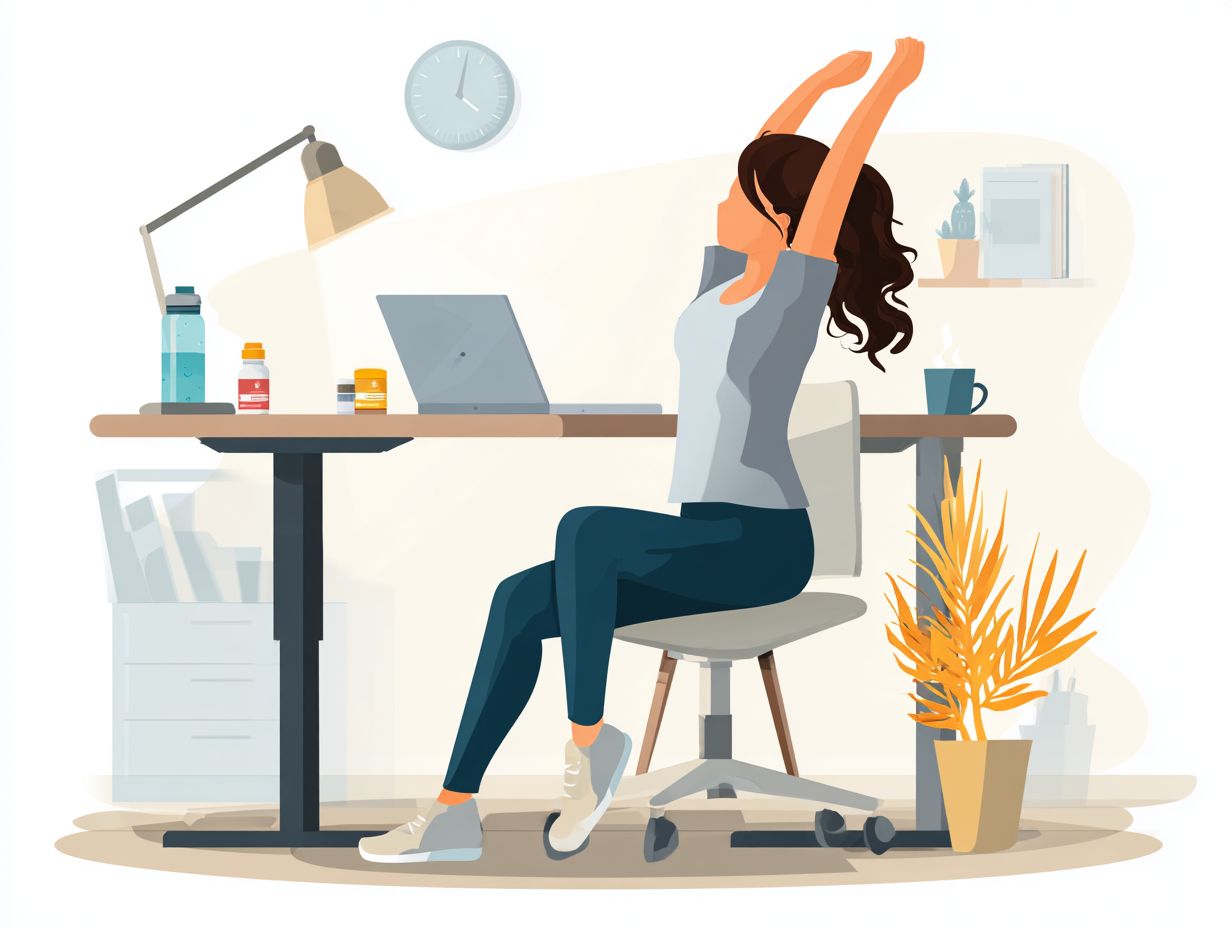
Ergonomics is the scientific discipline focused on workplace ergonomics and designing office spaces that enhance comfort and efficiency, thereby significantly influencing employee well-being and mental health. By implementing ergonomic principles, organizations can mitigate the risk of musculoskeletal disorders and enhance overall productivity.
For instance, the use of adjustable furniture promotes proper posture correction by providing adequate lumbar support and chair comfort, while standing desks enable employees to alternate between sitting and standing positions, thereby improving circulation and energy levels.
Furthermore, the incorporation of tools such as keyboard trays and monitor risers helps maintain the appropriate eye level, reducing neck strain.
The adoption of these ergonomic strategies not only protects employees’ health but also cultivates a healthier workplace culture, ultimately leading to improved work-life balance and performance.
Overview of CBD
Cannabidiol (CBD) offers a range of therapeutic benefits, including pain relief and stress reduction, making it a valuable resource for promoting workplace wellness and employee engagement through effective communication.
One effective method of incorporating CBD into the workplace is through the use of tinctures or oils. For instance, initiating use with a low dosage of 5-10 mg may help alleviate symptoms of anxiety and discomfort, particularly during stressful meetings.
Additionally, many employees experience relief from muscle tension and inflammation through the application of topical CBD relief creams, which can be directly applied to affected areas.
It may be beneficial to establish a designated relaxation space that includes calming elements, such as CBD-infused teas, to allow employees to unwind during breaks. These strategies not only enhance mental clarity but also contribute to the overall well-being of individuals within the work environment.
Optimal Desk Setups
Establishing an optimal desk setup requires meticulous attention to chair height, screen placement, and positioning in order to promote physical comfort and cognitive function.
Chair and Desk Height
The ideal chair height should enable individuals to rest their feet flat on the ground, ensuring that their knees form a 90-degree angle, which contributes to enhanced spinal alignment and physical comfort.
To achieve this ergonomic standard, it is advisable to select chairs with adjustable heights, ideally within the range of 16 to 21 inches.
For example, the Herman Miller Aeron chair, priced at $1,200, offers excellent lumbar support and durability.
Alternatively, the Steelcase Leap chair, available for $1,000, provides versatile adjustments that cater to personalized comfort.
For those with budget constraints, the Hbada Office chair, priced at $150, also includes height adjustment features.
It is essential to ensure that the chosen chair is compatible with the desk setup, allowing for optimal ergonomic posture during work.
Monitor Placement
Aligning your monitor at eye level-approximately 20 to 30 inches from your eyes-can contribute to the prevention of neck strain and the enhancement of concentration and focus.
To achieve the appropriate height, consider utilizing monitor stands such as the 3M Monitor Stand, which provides adjustable options starting at $25. This stand not only elevates your monitor but also offers storage space underneath, thereby reducing desk clutter.
In addition, employing a laptop riser can significantly improve your ergonomic setup, particularly if you frequently work on a laptop. It is essential to periodically adjust your seating position and take breaks every hour to mitigate discomfort, thereby fostering a more productive and healthier workspace.
Keyboard and Mouse Positioning

Positioning the keyboard so that the elbows are at a 90-degree angle and the wrists remain straight can significantly reduce the risk of developing carpal tunnel syndrome and improve user experience.
To further enhance your ergonomic setup, it is advisable to utilize an adjustable keyboard tray, which facilitates the maintenance of the ideal height.
Additionally, a split keyboard, such as the Kinesis Advantage2 ($349), promotes a more natural wrist position, contributing to overall comfort.
Employing a well-supported mouse, like the Logitech MX Master 3 ($99), can also help alleviate wrist strain.
Furthermore, investing in a wrist rest, particularly a cushioned option, can greatly enhance comfort during extended typing sessions.
These adjustments not only foster a healthier posture but also enhance productivity.
The Importance of Microbreaks
Incorporating microbreaks into one’s work routine can significantly enhance focus and alleviate physical discomfort experienced throughout the day.
What Are Microbreaks?
Microbreaks, or movement breaks, are defined as short pauses, typically lasting between 1 to 5 minutes, implemented to alleviate physical strain, fatigue, and mental strain during work hours. The integration of microbreaks into the work routine can significantly enhance productivity and focus.
For instance, taking a brief walk to stretch or hydrate every hour can be beneficial.
One might also consider utilizing a timer application, such as the Pomodoro Technique, which prompts individuals to take 5-minute breaks after every 25 minutes of focused work.
Engaging in simple stretches, such as neck rolls and wrist flexors, can effectively reduce tension, while these breaks contribute to rejuvenating mental agility and sustaining overall energy levels throughout the day.
Benefits of Taking Microbreaks
Research indicates that the incorporation of microbreaks can enhance productivity by as much as 30%, effectively alleviating fatigue and improving mental clarity. For illustration, prominent companies such as Google and Microsoft have adopted the practice of microbreaks, encouraging their employees to step away from their desks for a few minutes each hour.
Effective methods for implementing microbreaks include the following:
- Setting a timer for 25 to 30 minutes of concentrated work, followed by a 5-minute mindful movement break, allowing employees the opportunity to stretch or hydrate.
- Establishing a designated relaxation area equipped with comfortable seating to further facilitate relaxation during these brief intermissions.
The implementation of microbreaks not only contributes to improved employee morale but also fosters a more engaged and productive workforce.
Incorporating CBD for Relief
The use of CBD products can enhance ergonomic practices by offering targeted relief from chronic pain and discomfort experienced during working hours.
Topical CBD Products
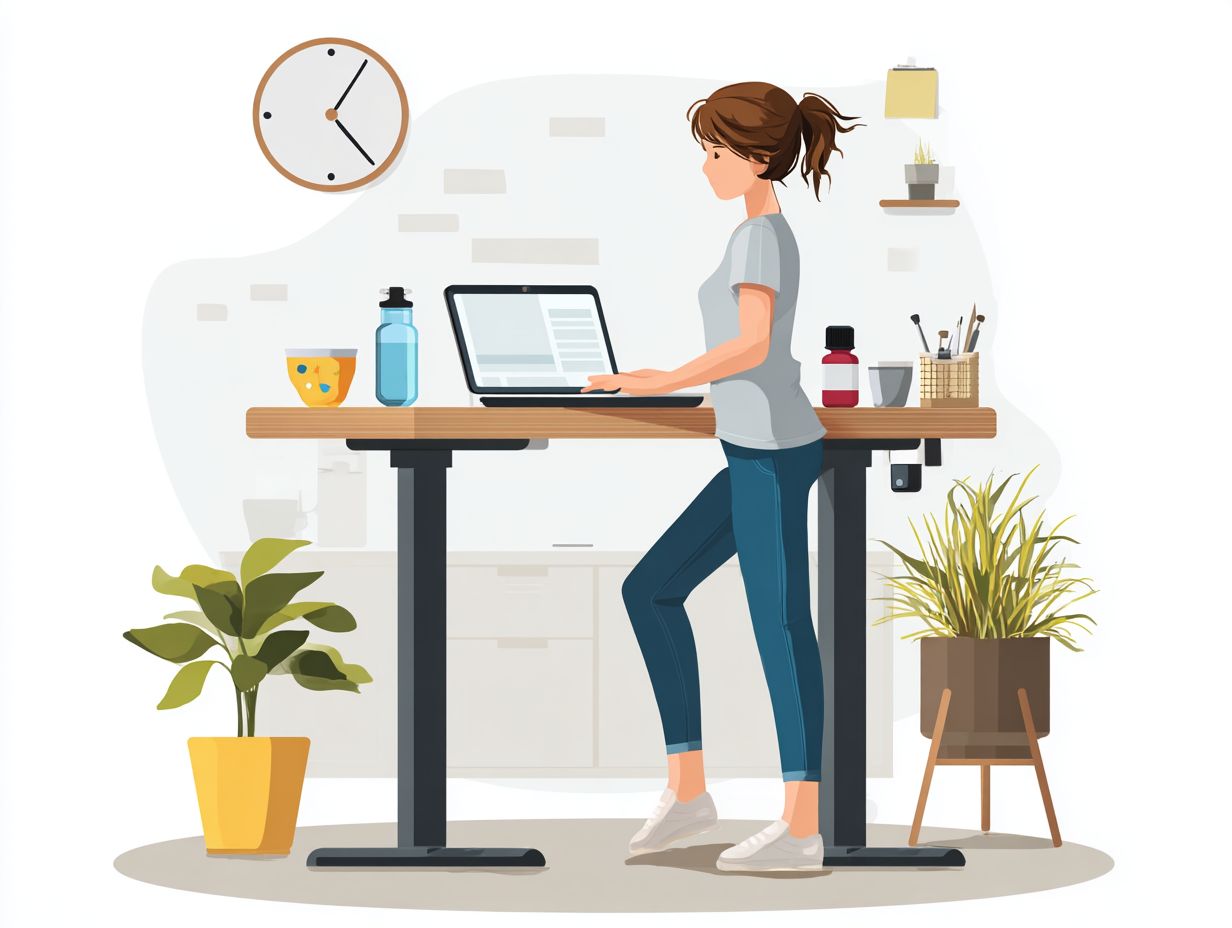
Topical CBD products, including creams and balms, provide localized relief for muscle tension, inflammation, and joint discomfort, making them particularly beneficial for office workers.
For example, Charlotte’s Web CBD Cream ($39.99) features a soothing formulation that is well-suited for post-workout recovery, while Lord Jones High CBD Formula Body Lotion ($60) is recommended for general discomfort due to its quick-absorbing properties.
When utilizing these creams, it is advisable to begin with a small amount-approximately a quarter-sized dollop-applying it to the affected area 2-3 times daily.
It is important to adjust the dosage based on individual needs and responses, ensuring careful monitoring of its effects to identify the optimal level of relief.
Dosage and Application Tips
For optimal outcomes and pain prevention, it is advisable to initiate CBD usage with a low dosage of 5-10 mg and gradually increase it based on individual responses.
Timing is also a critical factor to consider. For example, one might choose to take CBD after a workout to support recovery or during microbreaks to alleviate stress.
Maintaining a journal to document dosage, timing, and effects can provide valuable insights into what may be most effective for each individual. Should any side effects, such as drowsiness or gastrointestinal discomfort, occur, it is prudent to adjust the dosage accordingly.
It is recommended to consult with a healthcare professional for personalized advice, particularly for individuals who are taking other medications.
Combining Ergonomics and CBD
The integration of ergonomic practices with the use of CBD establishes a comprehensive wellness plan and holistic approach to workplace wellness, effectively addressing both physical discomfort and stress.
Creating a Holistic Workspace
A holistic workspace integrates ergonomic furniture, regular microbreaks, and CBD products, fostering an environment that promotes both productivity and wellness.
To improve your workspace, it is advisable to begin with an ergonomic chair and a standing desk, which ensure proper posture and comfort. Scheduling microbreaks every hour for stretching or walking can enhance circulation and mitigate fatigue.
Incorporating CBD products, such as gummies or oils, may also assist in alleviating stress and maintaining focus. For example, consuming a 10mg CBD gummy during a break can facilitate relaxation without compromising productivity.
This combination of tools and practices establishes a balanced environment that supports both physical well-being and work performance.
Case Studies and Testimonials
Real-world examples effectively demonstrate the successful integration of ergonomics and CBD in workplace environments, resulting in notable enhancements in employee well-being, incorporating productivity hacks and office design strategies.
For instance, a technology company introduced ergonomic chairs and stand-up desks, which led to a 30% reduction in reported instances of back pain among employees. Furthermore, following the introduction of CBD-infused products and essential oils, the company observed a significant decrease in employee stress levels, as indicated by wellness surveys, with 70% of participants reporting improved focus and productivity. This highlights the importance of pain management strategies in workplace wellness.
Additionally, tools such as wellness apps, ergonomic assessment methods, and lifestyle changes can monitor these changes over time, allowing employers to make informed, data-driven decisions. Ultimately, these strategies not only promote individual health but also contribute to a more engaged and productive workforce.
Future Trends in Ergonomics and CBD
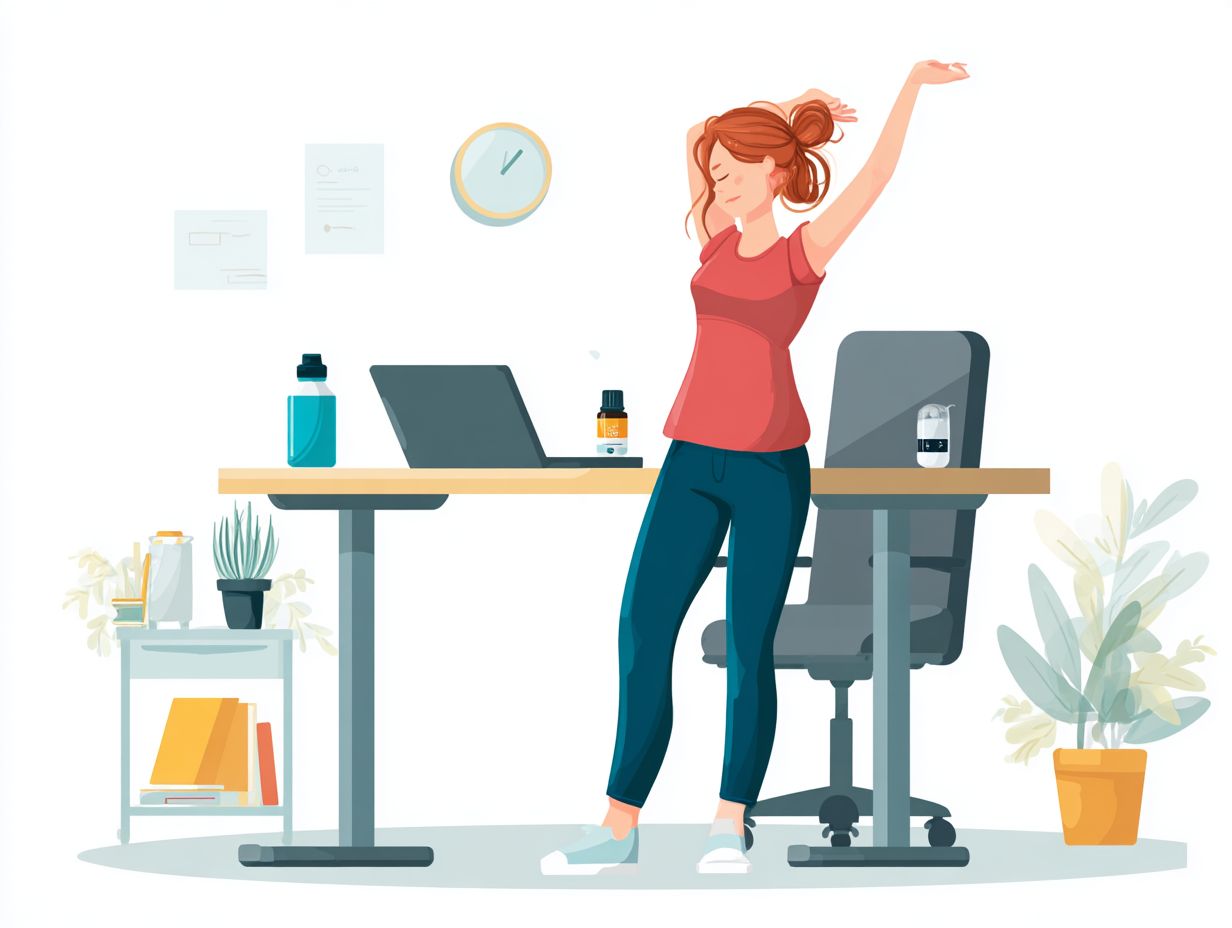
Emerging trends indicate a growing focus on holistic wellness programs that integrate advanced ergonomic tools and CBD-infused products. Organizations are increasingly implementing ergonomic furniture, such as sit-stand desks and supportive chairs, to enhance employee comfort and productivity. This integration could include workstation improvements and task management enhancements.
The combination of ergonomic solutions with CBD products, including topical balms or gummies, is gaining popularity due to their potential to alleviate stress and muscle discomfort. For instance, a company may provide its employees with ergonomic office equipment while also offering a selection of CBD-infused relaxation beverages. This approach not only supports pain relief but also promotes muscle relaxation.
This dual approach has the potential to cultivate a healthier workplace culture and improve overall employee well-being through health optimization strategies and daily habits like mindful breathing and self-care.
Furthermore, actively monitoring feedback and assessing the effectiveness of these initiatives can facilitate ongoing enhancements to wellness programs, ensuring sustainable practices and promoting occupational health.
Frequently Asked Questions
What is ergonomics and how does it relate to CBD?
Ergonomics is the science of designing and arranging things to maximize efficiency and comfort for the human body. CBD, a compound found in cannabis and hemp extract, has been shown to have anti-inflammatory and pain-relieving properties, making it a potential aid in creating more ergonomic environments. These ergonomic guidelines can significantly enhance the quality of life for employees.
How can CBD be incorporated into desk setups for improved ergonomics?
CBD can be incorporated into desk setups in a variety of ways, such as using a CBD-infused ergonomic mouse or keyboard wrist rest, taking CBD oil or capsules for pain relief, or applying a CBD topical cream to sore areas. These desk accessories can greatly enhance the seated position comfort and overall workstation efficiency.
Why are microbreaks important for ergonomics and how can CBD help?
Microbreaks, short breaks taken throughout the workday, are important for reducing strain and fatigue on the body. CBD can help by providing pain relief and relaxation, allowing for a more effective and restorative microbreak. Implementing these fatigue reduction techniques can enhance work efficiency and overall productivity improvement.
Can CBD topical products provide relief for common ergonomic-related issues?
Yes, CBD topical products can provide relief for common ergonomic-related issues such as muscle tension, joint pain, and inflammation. The anti-inflammatory properties of CBD can help reduce discomfort and improve overall well-being. This underscores the importance of using pain relief products as part of a health optimization strategy.
How often should microbreaks be taken and for how long?
Microbreaks should be taken every 20-30 minutes, for a duration of 1-3 minutes. This allows for enough time to rest and stretch the body, without interrupting work too much. However, the frequency and duration of microbreaks can vary based on individual needs. Incorporating mindful breathing and relaxation techniques during microbreaks can further enhance their restorative benefits.
Are there any potential side effects of using CBD for ergonomics?
While CBD is generally well-tolerated, some people may experience side effects such as drowsiness, dry mouth, or changes in appetite. It’s important to start with a low dose and consult with a doctor if you have any concerns. Leveraging wellness resources and health education can help mitigate potential side effects and optimize health benefits.