
When pain strikes, the search for relief can feel overwhelming. With options like heat, ice, and CBD gaining traction, understanding their unique benefits is crucial for effective management of flare-ups. This article delves into the mechanisms behind heat and ice therapies, explores the role of CBD in pain relief, and discusses the potential of combining these approaches. Discover the best practices for tailoring your relief strategy to reclaim comfort and control.
Understanding Heat Therapy for Muscle Recovery and Relaxation

Heat therapy is a recognized and effective approach for reducing muscle tension and enhancing circulation, showcasing its therapeutic benefits and holistic health advantages, which has led to its widespread adoption among athletes and individuals focused on wellness.
Benefits of Heat Therapy in Pain Management and Muscle Soreness Relief
Heat therapy is recognized for its ability to reduce muscle soreness by up to 50%, with analgesic properties, establishing it as an essential component in recovery protocols for athletes and individuals suffering from chronic pain and nerve pain.
To implement effective heat therapy, various methods may be considered, including:
- moist heat packs with botanical extracts
- heating pads for stress relief and therapeutic use
- warm baths
For instance, a heating pad can be applied to sore muscles for a duration of 15 to 20 minutes, facilitating deep tissue penetration that enhances circulation and accelerates the healing process. Additionally, a warm bath infused with Epsom salt can promote relaxation and alleviate muscular tension.
Regularly incorporating these techniques, particularly before or after exercise, can lead to significant improvements in recovery times and overall comfort in daily activities.
When to Use Heat
Heat therapy is most beneficial when applied prior to physical activity or during muscle recovery phases, particularly in instances of chronic pain and stiffness.
To effectively implement heat therapy, it is important to consider specific scenarios.
- Before engaging in workouts, utilizing a heating pad for 15 to 30 minutes can facilitate muscle loosening, thereby enhancing flexibility and reducing the risk of injury.
- Post-exercise, taking a warm bath or shower for a minimum of 20 minutes can promote muscle relaxation and recovery.
- For the management of chronic pain, consistent application of heat to affected areas-utilizing a microwaveable heat pack-can provide relief multiple times throughout the day.
It is advisable to tailor the method and duration of heat application to individual comfort levels and specific needs to achieve optimal results.
Exploring Ice Therapy: Cryotherapy and Cold Therapy Techniques
Ice therapy, also known as cryotherapy, is widely acknowledged for its effectiveness in reducing inflammation and alleviating acute pain, especially in the aftermath of injuries and sports-related strains and sprains.
Benefits of Ice Therapy: Inflammation Reduction and Swelling Management

Ice therapy can reduce swelling by as much as 50% when applied promptly following an injury, making it an essential component of effective pain management. To optimize the benefits of ice therapy, it is recommended to apply ice packs for 15 to 20 minutes every hour during the first 48 hours after the injury occurs.
It is important to wrap the ice pack in a cloth to prevent direct contact with the skin, thereby avoiding the risk of frostbite. Additionally, alternating ice therapy with compression bandages may further enhance swelling reduction.
Clinical studies have demonstrated that this combination not only alleviates pain but also expedites the recovery process.
Within a week, individuals should observe significant improvement, facilitating a gradual return to normal activities.
When to Use Ice
Ice therapy is most effective when administered immediately following trauma, during acute pain episodes, or in the post-exercise recovery phase to minimize inflammation.
To apply ice therapy effectively, it is recommended to use ice packs or cold compresses for a duration of 15 to 20 minutes at a time, allowing a minimum of 1 hour between applications. For acute injuries, the objective should be to ice the affected area every 1 to 2 hours during the first 48 hours. It is important to wrap the ice pack in a thin towel to protect the skin from frostbite.
For soreness following workouts, a single application of ice post-exercise can facilitate discomfort relief. It is essential to remain attuned to one’s body and discontinue use if excessive discomfort is experienced.
The Role of CBD in Pain Management and Alternative Medicine
CBD oil has emerged as a promising natural alternative for pain management and holistic health solutions, owing to its interaction with the body’s endocannabinoid system.
How CBD Works: Therapeutic Techniques and Natural Remedies
CBD interacts with cannabinoid receptors in the brain and immune system, effectively modulating pain perception and providing relief from a variety of ailments.
Recent studies indicate that CBD may reduce chronic pain symptoms by approximately 30%, particularly in conditions such as arthritis and fibromyalgia. This compound primarily influences neurotransmitters, including serotonin and vanilloid, which results in lowered pain thresholds and decreased inflammation markers.
For individuals seeking effective dosage, it is common to start with 10-20 mg per day, gradually increasing the amount to determine the optimal level for symptom relief.
Various administration methods, such as CBD oils, capsules, and topical creams, provide users with flexible options tailored to their personal preferences and specific health needs.
Benefits of Using CBD: Analgesic Properties and Pain Reduction Strategies
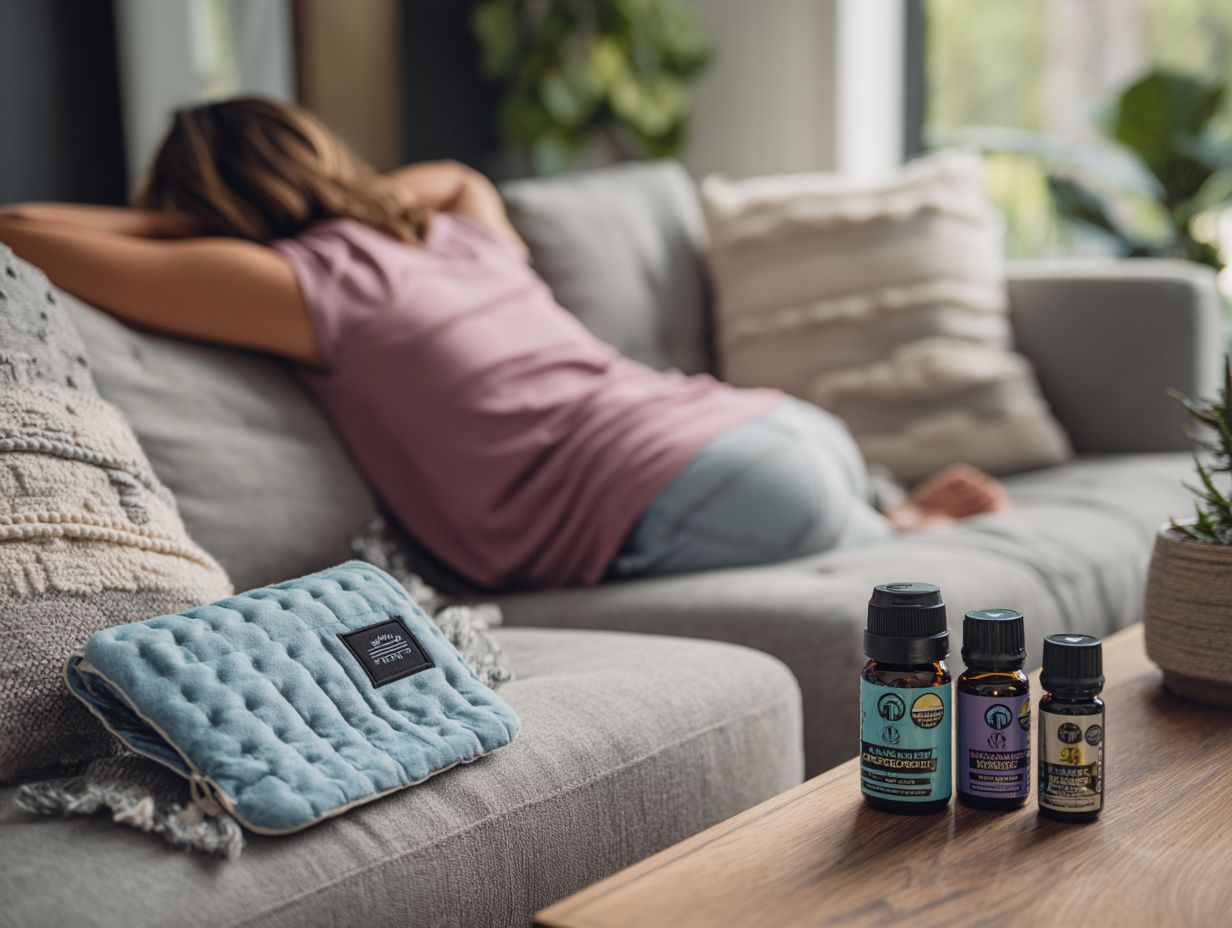
CBD has been reported to alleviate symptoms associated with chronic pain conditions, offering users a viable alternative to traditional pain medications. Many individuals have experienced positive outcomes by incorporating full-spectrum CBD oils, such as those from reputable brands like Charlotte’s Web or Joy Organics, into their daily regimen.
It is advisable to begin with a low dosage, typically around 10-15 mg, and gradually increase the amount until the desired level of relief is attained.
Additionally, topical options such as CBD creams or balms may be considered for direct application to affected areas, providing localized relief. User testimonials suggest that consistent use of CBD resulted in an approximate 40% reduction in pain levels over an eight-week period, thereby enhancing overall quality of life.
Combining Heat, Ice, and CBD: A Dual Approach to Pain Relief
The integration of heat therapy, cold therapy, and cannabidiol (CBD) can enhance pain relief and recovery outcomes by utilizing the unique benefits of each approach for comprehensive pain management.
Best Practices for Combination Therapy: Guided Relief and Safe Usage
For optimal results, professionals recommend alternating heat and ice therapies every 20 minutes, while incorporating CBD oil as necessary for pain relief.
To implement this strategy effectively, begin by applying ice packs wrapped in a cloth to prevent skin damage, maintaining this application for 20 minutes. Following the ice application, utilize a warm compress or heating pad, which should also be applied for a duration of 20 minutes.
Upon completing these cycles, consider using a topical CBD oil to target localized pain, ensuring that it is applied in accordance with the product instructions. It is important to monitor the body’s response and adjust the frequency of applications based on pain levels.
Many users have reported enhanced recovery by integrating this routine into their daily activities.
Frequently Asked Questions: Evidence-Based Practice and Patient Education
Can heat provide relief for a flare-up?

Yes, heat can help relax and soothe tense muscles and joints, providing relief for a flare-up.
Is ice a good option for managing a flare-up?
Yes, ice can help reduce swelling and inflammation, providing relief for a flare-up.
What is CBD and how does it help with flare-ups?
CBD, or cannabidiol, is a compound found in the cannabis plant that has anti-inflammatory properties, making it an effective option for managing flare-ups.
Is it better to use heat or ice for a flare-up?
It depends on the type of flare-up and personal preference. Heat is better for muscle and joint pain, while ice is better for swelling and inflammation. Some people find that using both can provide the most relief.
Do I need to consult a doctor before using CBD for a flare-up?
It is always recommended to consult a doctor before using any new treatment, including CBD, for a flare-up. They can provide personalized advice and ensure it is safe for you.
Can I use heat, ice, and CBD all at the same time for a flare-up?
It is generally safe to use heat, ice, and CBD together for a flare-up, but it is important to listen to your body and stop or adjust if any discomfort or adverse reactions occur.