
As the population ages, chronic back pain has become a prevalent issue, significantly affecting the quality of life for older adults. With traditional pain management methods often falling short, many are exploring alternative solutions like CBD. This article delves into the complexities of back pain in seniors, the potential benefits of CBD, and essential considerations regarding its use. Understanding these factors is crucial for making informed decisions and improving well-being. Join us as we unravel the intricate relationship between CBD and back pain in older adults.
Understanding Back Pain in Older Adults: A Holistic Approach

Back pain in older adults can arise from various sources, including age-related degeneration and neurodegenerative diseases, which require the implementation of tailored pain management strategies.
Common Causes of Back Pain
The most common causes of back pain in older adults include conditions such as arthritis, degenerative disc disease, and spinal stenosis, all of which significantly impact mobility and quality of life.
Arthritis is a leading contributor, with approximately 60% of older adults experiencing this painful inflammation of the joints. Degenerative disc disease, which affects nearly 40% of this population, results from the natural wear and tear of spinal discs, leading to discomfort during movement.
Spinal stenosis, characterized by the narrowing of the spinal canal, impacts around 30% of seniors, often resulting in leg pain during ambulation.
Additional factors contributing to back pain include osteoporosis, which decreases bone density, and muscle strain related to lifestyle choices. A comprehensive understanding of these conditions can inform targeted interventions, such as exercise regimens or physical therapy, aimed at effectively managing pain.
Impact of Aging on Back Health: Gerontology Insights
Aging leads to structural changes in the spine, rendering older adults more vulnerable to back pain and associated mobility challenges, emphasizing the importance of geriatric care.
As individuals age, the intervertebral discs undergo a loss of hydration, which results in diminished cushioning between the vertebrae. Research indicates that individuals over the age of 65 exhibit a higher prevalence of degenerative disc disease, a condition that is frequently linked to increased back pain.
Additionally, muscle mass tends to decrease with age, resulting in weakened core and back muscles that provide support to the spine. It is advisable to promote regular physical activity, including strength training and flexibility exercises, to mitigate these effects.
Activities such as yoga and Pilates are particularly beneficial for enhancing posture and core stability, ultimately contributing to a reduced risk of back pain and promoting overall wellness.
What is CBD? Understanding Cannabinoids Effects
Cannabidiol (CBD) is a non-psychoactive compound extracted from hemp oil, and it is widely acknowledged for its potential therapeutic benefits, especially in the area of pain management and anxiety relief.
Sources and Types of CBD
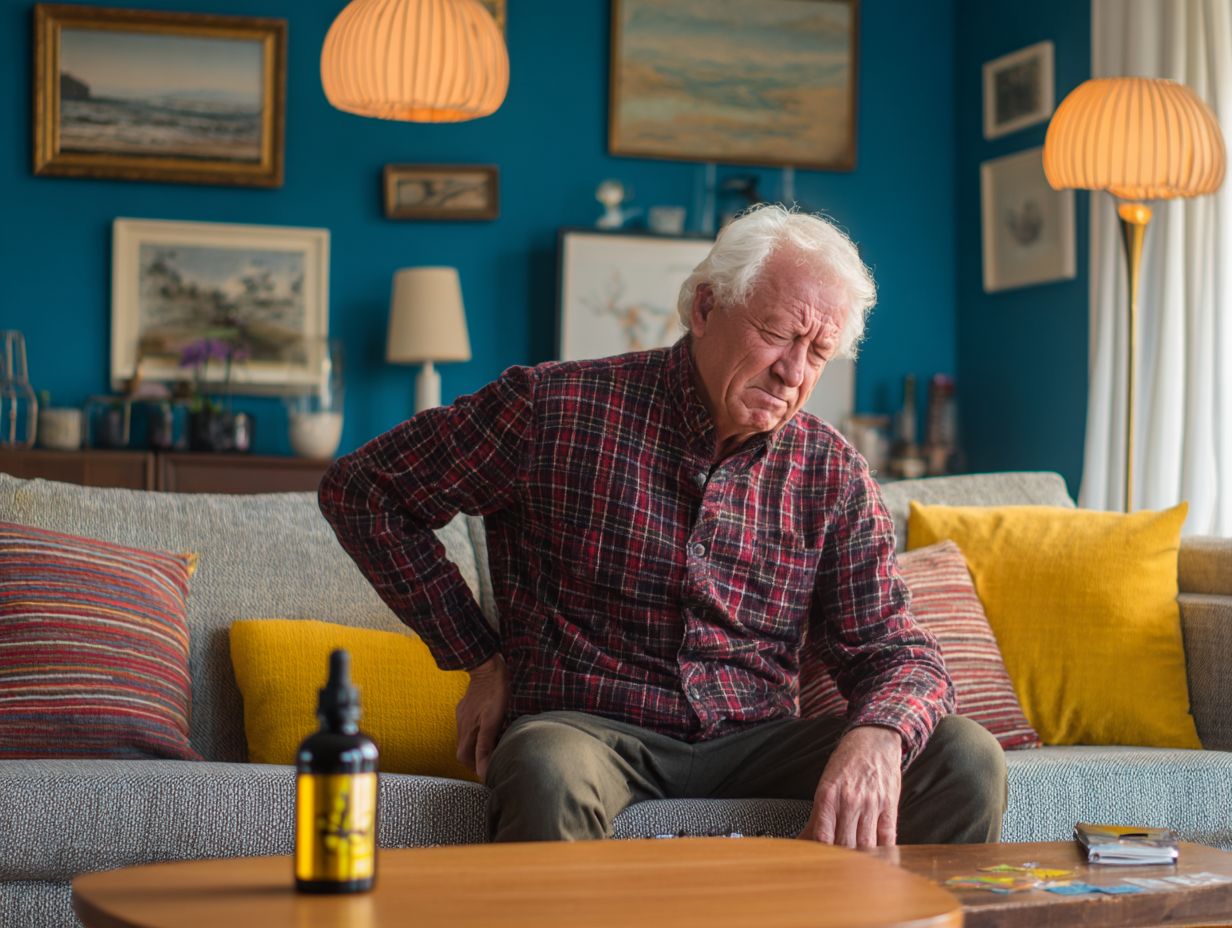
CBD is available in a variety of forms, including tinctures, capsules, and topicals, each offering distinct benefits and differing levels of bioavailability.
Among these options, full-spectrum CBD products encompass all compounds found in the cannabis plant, making them ideal for individuals seeking the entourage effect; prices for tinctures typically begin at $30. These products are known for their comprehensive care benefits.
Broad-spectrum CBD products, which exclude THC while retaining other cannabinoids, are preferred by those who may be sensitive to THC, with prices starting at approximately $40. This makes them suitable for older adults seeking alternative medicine solutions.
CBD isolate, recognized as the purest form of CBD, is available from $25 and is particularly suitable for individuals new to CBD who are looking for non-psychoactive alternatives, supporting patient-centric approaches.
When selecting a product, it is important to consider your specific health goals. For stress relief, beginning with a tincture or capsule may be advisable due to their quicker absorption rates.
How CBD Works in the Body
Cannabidiol (CBD) interacts with the endocannabinoid system by influencing cannabinoid receptors, which modulates pain perception and reduces inflammation.
Research indicates that CBD primarily targets the CB1 and CB2 receptors within the endocannabinoid system, resulting in pain relief and diminished inflammatory responses. For example, a study published in the European Journal of Pain demonstrated that CBD administration significantly alleviated chronic back pain in animal models. Additionally, clinical trials have suggested that CBD oil may be effective in improving conditions such as arthritis and muscle pain.
To achieve optimal results, it is advisable to consider integrating a high-quality CBD tincture or topical preparation with a concentration of at least 10-20% CBD. This can be applied directly to the affected area or taken sublingually for enhanced efficacy.
Benefits of CBD for Back Pain
Numerous studies indicate that cannabidiol (CBD) may offer considerable relief for back pain, particularly due to its anti-inflammatory and analgesic properties, enhancing the therapeutic index of this natural remedy.
Anti-Inflammatory Properties
Cannabidiol (CBD) has demonstrated efficacy in reducing inflammation, which is a significant contributor to back pain, by inhibiting pro-inflammatory cytokines. A study published in the European Journal of Pain indicated that CBD reduced inflammation markers by approximately 30% in subjects diagnosed with arthritis.
For effective incorporation of CBD into one’s regimen, utilizing a tincture is advisable due to its rapid absorption. Products such as Charlotte’s Web CBD Oil, which range in price from $39 to $199 depending on potency, are widely regarded.
Additionally, topical applications, including CBD-infused creams, can be applied directly to localized areas of discomfort to provide targeted relief. Consistent use of CBD, in conjunction with a healthy lifestyle, may lead to improved management of back pain.
Pain Relief Mechanisms

The analgesic effects of CBD are facilitated through its interaction with cannabinoid receptors, which modulate the body’s pain signaling pathways. Recent pharmacokinetic studies suggest that CBD may significantly alleviate chronic pain by influencing pain receptor activity within the nervous system.
For example, a study published in the Journal of Pain Research demonstrated that participants experienced a 30% reduction in pain scores after consistent use of CBD oil over an eight-week period.
The use of full-spectrum CBD oil-encompassing both CBD and other cannabinoids-may enhance the pain-relieving effects due to the entourage effect. It is typically recommended to initiate treatment with a dosage of 10-20 mg daily, with adjustments made according to individual response.
Considerations for Older Adults
Given that older adults frequently utilize multiple medications, it is essential to comprehend the potential interactions and health risks that may arise when considering CBD as a pain management option.
Medication Interactions
Cannabidiol (CBD) has the potential to interact with various medications, including blood thinners and sedatives, which necessitates thorough consultation with healthcare providers.
Common medications that may exhibit interactions with CBD include:
- Warfarin, a blood thinner that can elevate the risk of bleeding when used concurrently with CBD.
- Sedatives such as Xanax may exacerbate drowsiness when taken alongside CBD, resulting in heightened sedation.
- Other antidepressants, such as fluoxetine, may also interact with CBD, leading to an enhancement of side effects.
To ensure safety and efficacy, patients are strongly advised to discuss any potential interactions with their healthcare providers prior to initiating CBD, particularly if they are taking multiple prescriptions or have underlying health conditions, aligning with patient advocacy principles.
Dosing Guidelines
Effective dosing of CBD for back pain typically begins with low doses ranging from 5 to 10 mg, which can be adjusted based on individual response and tolerance, following evidence-based dosing guidelines.
It is advisable to start with the initial dose for a duration of three days and then evaluate the body’s response. If the relief from pain is inadequate and side effects are minimal, one may consider increasing the dosage in increments of 5 mg on a weekly basis until satisfactory relief is attained.
Maintaining a journal to document dosage, pain levels, and any side effects experienced is essential. It is also recommended to consult a healthcare professional to ensure that CBD does not interact with any existing medications.
Furthermore, it is imperative to select a high-quality CBD product, ideally one that has undergone third-party testing and quality assurance, to ensure both safety and effectiveness.
Frequently Asked Questions

What is CBD and how does it work for older adults with back pain?
CBD, short for cannabidiol, is a compound found in the cannabis plant. It works by interacting with the body’s endocannabinoid system to help regulate pain, inflammation, and other bodily functions.
Is CBD safe for older adults to use for back pain?
While research is still limited, initial studies have shown that CBD is generally safe for older adults to use for back pain. However, it is important to consult with a healthcare professional before starting any new treatment.
What are some special considerations for using CBD with older adults for back pain?
Older adults may be more sensitive to the effects of CBD, so it is important to start with a low dosage and gradually increase as needed. It is also important to consider any potential interactions with other medications.
Can CBD interact with other medications older adults may be taking for back pain?
Yes, CBD can potentially interact with certain medications, including blood thinners. It is important to inform your healthcare provider about any CBD use and discuss any potential interactions, especially regarding its safety profile and pharmacokinetics.
Are there any side effects of using CBD for back pain in older adults, considering its use as a muscle relaxant and in palliative care?
Some common side effects of CBD, a phytocannabinoid, include dry mouth, drowsiness, and changes in appetite. However, these side effects are typically mild and may vary depending on the individual. It is important to monitor for any adverse reactions, considering its use in geriatric pharmacology and various dosage forms.
Is CBD legal for older adults to use for back pain and other conditions like muscle tension and stress management?
The legality of CBD varies by state and country. It is important to research and understand the laws in your area before using CBD. Additionally, it is important to only purchase CBD products from reputable sources and ensure they contain less than 0.3% THC. This falls under important legal considerations and ensuring proper patient education.