
In an era where mental and physical well-being are closely intertwined, the quest for effective solutions to stress, anxiety, and pain takes center stage. As millions grapple with these challenges, interest in CBD emerges as a potential ally in the mind-body connection in a holistic mind-body approach. This article delves into the intricate relationship between these conditions and explores how CBD may serve as a valuable component in managing stress, alleviating anxiety, and providing pain relief, backed by the latest research and practical insights.
Understanding Stress and Anxiety
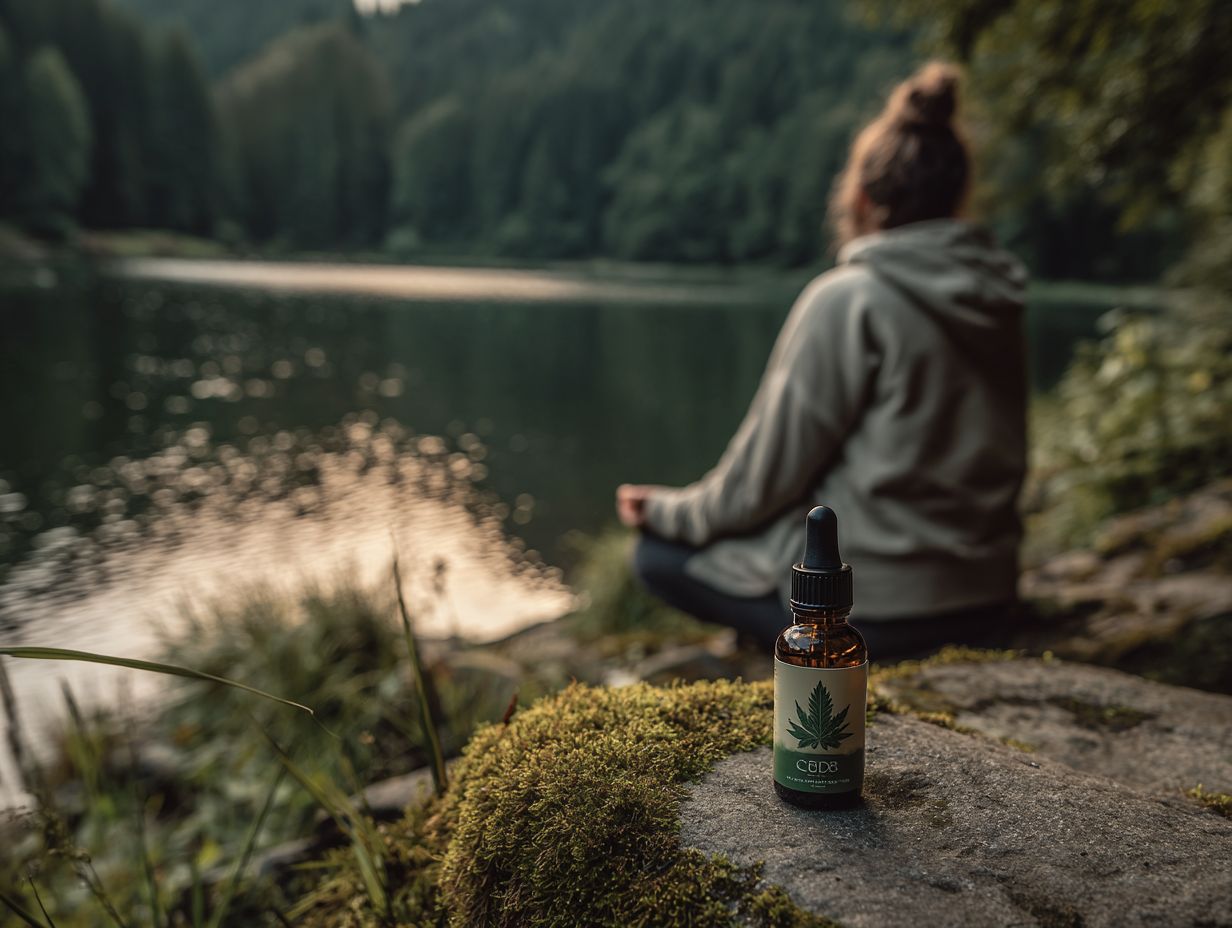
Stress and anxiety are prevalent concerns in contemporary society, affecting over 40 million adults in the United States and leading to a range of emotional and physical health issues. Stress typically arises from external factors and tends to dissipate once the situation is resolved; however, anxiety may persist and often represents a more chronic condition.
Common symptoms associated with stress include headaches and irritability, whereas anxiety frequently manifests as racing thoughts or panic attacks. Statistically, anxiety disorders, including stress-related disorders, affect approximately 19.1% of the U.S. population.
Effective treatments for both conditions include therapeutic approaches, such as cognitive behavioral therapy (CBT), alongside pharmacological options like selective serotonin reuptake inhibitors (SSRIs). Additionally, mindfulness techniques and regular physical activity can significantly alleviate symptoms and promote overall mental well-being.
The Role of Pain in Mental Health
Chronic pain affects approximately 50 million adults in the United States, often exacerbating mental health conditions such as anxiety and depression.
Research demonstrates a strong correlation between chronic pain and elevated anxiety levels. A study published in the Journal of Pain revealed that individuals experiencing chronic pain reported significantly higher anxiety scores, highlighting the need for therapeutic effects and natural remedies in comparison to those without pain.
Implementing coping strategies, such as cognitive behavioral therapy (CBT) and mindfulness practices, can be highly effective in managing both pain and mental health. These approaches enable individuals to address negative thought patterns and enhance emotional resilience, thereby addressing the bidirectional relationship between chronic pain and psychological well-being.
Overview of CBD
Cannabidiol (CBD) is a non-psychoactive compound extracted from the cannabis plant, which has been gaining recognition for its potential therapeutic benefits in addressing a range of health issues.
What is CBD?
CBD, or cannabidiol, is a prominent phytocannabinoid among the over 100 cannabinoids present in cannabis, recognized for its potential to interact with the body’s endocannabinoid system.
CBD is typically extracted from hemp using methods such as CO2 extraction, which ensures both purity and potency and supports overall well-being. Unlike THC, CBD does not produce psychoactive effects, making it an attractive option for individuals seeking therapeutic benefits without the intoxicating high.
Common forms of CBD include:
- Oils, which can be administered sublingually for rapid absorption;
- Gummies, which provide a flavorful and convenient alternative;
- Tinctures, which facilitate precise dosing.
When selecting CBD products, it is advisable to seek those that have undergone third-party lab testing to verify quality and efficacy.
How CBD Works in the Body
CBD interacts with the body primarily through the endocannabinoid system, which influences neurotransmitter activity and has the potential to alleviate stress and anxiety. The endocannabinoid system is essential for maintaining homeostasis, effectively balancing various bodily functions. CBD predominantly interacts with two receptors: CB1 and CB2.
CB1 receptors, primarily located in the brain, play a significant role in regulating mood disorders, pain perception, and memory. In contrast, CB2 receptors, which are found in the immune system, are involved in modulating the inflammatory response.
For example, individuals may experience a reduction in anxiety as CBD modulates serotonin signaling through these receptors. Research indicates that CBD may lower cortisol levels, thereby aiding in more effective stress management while also alleviating chronic pain and reducing inflammation.
CBD and Stress Management
Emerging evidence indicates that CBD may be effective in reducing stress levels and promoting a sense of calm, supporting emotional balance. This potential makes it a valuable component in strategies for stress management.
Efficacy of CBD for Stress Relief

Numerous studies have indicated that CBD can effectively lower cortisol levels, the hormone primarily associated with stress. One study demonstrated a notable 21% reduction in cortisol levels following CBD administration.
Additionally, another study revealed that a daily dosage of 300 mg of CBD significantly diminished anxiety levels in participants prior to a public speaking event. Physiologically, CBD interacts with the endocannabinoid system, which is integral to the regulation of stress responses.
To explore the potential benefits of CBD, it is advisable to begin with a lower dosage, such as 25-50 mg per day, while monitoring its effects on stress levels over the course of several weeks.
It is essential to consult with a healthcare provider to determine the most appropriate dosage tailored to individual needs.
Research Findings on CBD and Stress
A 2019 study published in the Journal of Clinical Psychology revealed that 79% of participants reported a reduction in anxiety levels after utilizing CBD for one month. In this study, participants administered doses ranging from 25 mg to 300 mg of CBD daily, underscoring the significance of individualized dosing for optimal effectiveness.
Clinical trials generally suggest that lower doses may be more effective for mild anxiety, whereas higher doses may provide benefits for more severe cases. Some individuals experienced potential side effects, including fatigue, changes in appetite, and digestive issues.
It is imperative that individuals consult with a healthcare provider prior to initiating CBD use to determine the most appropriate dosage and to monitor for any adverse effects.
CBD’s Impact on Anxiety Disorders
Cannabidiol (CBD) has garnered attention for its potential effectiveness in managing various anxiety disorders, showcasing its therapeutic interventions. Several studies have demonstrated promising results regarding its ability to alleviate symptoms associated with these conditions.
Types of Anxiety Disorders
Common anxiety disorders include Generalized Anxiety Disorder (GAD), Social Anxiety Disorder (SAD), and Post-Traumatic Stress Disorder (PTSD), each presenting distinct challenges. GAD affects approximately 3.1% of the U.S. population and is characterized by excessive worry regarding various aspects of life.
SAD, impacting around 7.1% of individuals, is characterized by intense fear in social situations. PTSD, affecting approximately 3.5% of the population, often develops following traumatic experiences.
Cannabidiol (CBD) oil has emerged as a potential remedy for anxiety, with studies suggesting it may help alleviate anxiety symptoms. For instance, utilizing a product such as CBDistillery’s full-spectrum oil may assist in reducing symptoms associated with GAD, while a lower-dose tincture may provide support for individuals with SAD when administered daily.
It is essential to consult a healthcare provider prior to initiating any new treatment regimen.
Clinical Studies on CBD and Anxiety
Clinical studies indicate that CBD may significantly alleviate anxiety symptoms, with a 2011 study demonstrating a 50% reduction in social anxiety responses during public speaking.
In this study, adult participants aged 18 to 35 were administered either 600 mg of CBD or a placebo. Those receiving CBD reported a substantial decrease in subjective anxiety scores and physiological indicators, such as heart rate.
While CBD is generally well-tolerated, some participants experienced mild side effects, including fatigue and changes in appetite, emphasizing the importance of patient care. Additional research suggests that lower doses may also prove effective, highlighting CBD’s potential as a versatile treatment option for anxiety.
As always, it is advisable to consult with a healthcare professional prior to initiating any CBD regimen.
CBD for Pain Relief
CBD is being investigated as an emerging therapeutic option for its potential to alleviate both chronic and acute pain, providing an alternative to conventional pain management strategies.
Chronic Pain vs. Acute Pain

Chronic pain is a persistent condition that significantly affects an individual’s quality of life, whereas acute pain presents suddenly, typically as a response to injury, necessitating distinct management strategies.
Management of chronic pain frequently benefits from the use of CBD due to its anti-inflammatory properties and its capacity to offer sustained relief. For example, individuals diagnosed with arthritis may experience a reduction in inflammation and improved discomfort management through the daily administration of CBD oil.
Conversely, acute pain, such as that resulting from a sports injury, may respond more favorably to immediate relief measures, including the application of ice, sufficient rest, and the use of over-the-counter analgesics.
In this context, CBD may serve as a supplementary option, aiding in the management of inflammation and pain following the initial care for the injury.
CBD Research in Pain Management
Recent studies suggest that CBD may significantly alleviate pain, with one particular study documenting a 30% reduction in pain severity among patients experiencing stress-related pain associated with chronic migraines after the application of therapeutic cannabis like CBD oil.
Further research studies have demonstrated that CBD is particularly effective for conditions such as arthritis and fibromyalgia. In a controlled trial, 58% of arthritis patients reported improvements in pain levels and symptom relief following the application of a topical CBD cream used twice daily.
Dosage recommendations for this cannabinoid therapy vary, typically ranging from 20 to 300 mg daily, depending on the severity of pain and individual response. Administration methods include oils, capsules, and creams, each possessing distinct onset times and effects on neurotransmitters.
Incorporating CBD into a comprehensive pain management strategy, including alternative therapies, may result in meaningful relief for patients.
Integrating CBD into a Mind-Body Plan for Enhanced Wellness
Incorporating CBD into a comprehensive mind-body strategy can significantly enhance overall wellness and emotional support, serving as a valuable resource for effectively managing stress, anxiety triggers, and pain.
Dosage and Administration
Determining the appropriate dosage of CBD is essential for anxiety relief and stress reduction techniques, with a common starting range of 20-100 mg per day recommended for alleviating anxiety and stress, contingent upon individual factors.
To ascertain the optimal dosage for natural anti-anxiety effects, it is important to consider variables such as body weight, metabolism, and the specific condition being addressed. It is advisable to commence with a lower dosage of approximately 20 mg, gradually increasing the amount by 5-10 mg every few days until the desired effects are achieved.
For instance, when utilizing CBD oil, it is recommended to place it under the tongue for 60-90 seconds to facilitate faster absorption and enhance the relaxation response. Conversely, CBD gummies, as an alternative medicine, may require a longer onset time, typically ranging from 1-2 hours, but they tend to offer a prolonged effect.
It is imperative to consult with a healthcare provider to ensure the safety profile of CBD, prior to initiating any new regimen.
Complementary Practices
The integration of CBD with practices such as mindfulness, yoga, and meditation can enhance its therapeutic use, providing a holistic approach to the management of chronic stress and anxiety coping techniques.
Incorporating these practices can be accomplished with ease as part of integrative therapies. For example, one might begin the day with a 10-minute mindfulness meditation utilizing applications such as Headspace or Calm. Following this, gentle yoga sessions can be integrated through online platforms like Yoga with Adriene to facilitate physical relaxation and promote mental wellness.
After concluding these practices, it may be beneficial to consider the administration of a few drops of CBD oil to further promote a sense of calmness and enhance adaptive coping strategies.
Additionally, maintaining a journal to document personal experiences, feelings, and successes related to these practices can encourage deeper reflection and track progress. This comprehensive approach has the potential to significantly enhance the health benefits of CBD.
Frequently Asked Questions About CBD and Alternative Healing
What is CBD and how does it work in neurobiology?

CBD, or cannabidiol, is an alternative medicine derived from the cannabis plant. It works by interacting with the body’s endocannabinoid system, which helps regulate various bodily functions such as mood enhancement, pain reduction, and inflammation.
How can CBD help with stress and sleep disturbances?
CBD has been shown to have a calming effect on the body and may help reduce stress hormones and anxiety. It works by influencing the production of serotonin, a neurotransmitter that plays a role in mood regulation and mental clarity.
Can CBD be used for anxiety management and self-regulation?
Many people have found relief from anxiety symptoms and psychosomatic symptoms by incorporating CBD into their daily routine. CBD may help regulate the body’s response to stress and promote relaxation techniques, which can be beneficial for managing anxiety.
Is CBD effective for treating pain and symptom relief?
CBD has been studied for its potential pain-relieving properties and has shown promising results in clinical applications. It may help reduce inflammation and interact with cannabinoid receptors in the body that are involved in pain perception.
How can CBD fit into a mind-body plan and support body-mind therapies?
CBD can be a helpful tool for incorporating mindfulness and self-care practices into a daily routine, as part of integrative health strategies. It can promote relaxation, reduce stress and anxiety triggers, and help improve overall well-being and health coaching.
Is CBD safe to use in therapeutic practices?
CBD is generally considered safe for use in therapeutic practices, but it’s always important to consult with a healthcare professional to ensure patient education before starting any new supplement. It’s also important to purchase medical cannabis products from reputable sources to ensure quality and safety.