
Navigating the complex landscape of pain management can feel overwhelming, especially with the rise of cannabinoid options. Understanding the distinctions between full-spectrum, broad-spectrum, and isolate CBD is crucial for making informed choices that suit individual needs. Each formulation offers unique therapeutic benefits and potential drawbacks for pain relief. By exploring these differences, readers will gain valuable insights into which option may best alleviate their discomfort and improve their quality of life.
Understanding Pain Management with Cannabinoids

Effective pain management necessitates a multifaceted approach that includes the use of cannabinoids as natural analgesics, providing viable natural remedies and alternatives to traditional pharmaceuticals.
Statistics indicate that approximately 20% of adults suffer from chronic pain, underscoring the urgent need for effective solutions. Pain is not a singular experience; it can be classified into acute pain, typically arising from injury, and chronic pain, which persists beyond the usual recovery period, often requiring different treatment plans.
Cannabinoids, including CBD and THC, may serve to alleviate pain through their interaction with the endocannabinoid system. For example, full-spectrum CBD oil has been shown to reduce inflammation, while THC interacts with pain receptors to deliver more immediate relief.
The implementation of a comprehensive pain management strategy that combines physical therapy modalities, such as acupuncture or massage, with cannabinoids often yields a more holistic approach to addressing pain.
Full-Spectrum CBD and its Cannabinoid Synergy
Full-spectrum CBD encompasses a diverse array of cannabinoids and terpenes, offering enhanced therapeutic benefits through the entourage effect.
Benefits of Full-Spectrum CBD for Pain
Full-spectrum CBD has demonstrated a significant capacity to alleviate pain, with research studies indicating an approximate 40% reduction in chronic pain symptoms among users. Its anti-inflammatory properties are substantiated by research published in the journal *Pain*, which illustrates a notable decrease in inflammation markers.
Furthermore, users frequently report an improvement in sleep quality after incorporating CBD into their routines, likely attributable to its calming effects, contributing to stress relief. Many individuals find success with products such as tinctures, oils, or capsules, with recommended dosages typically ranging from 20 to 40 mg per day.
One satisfied user reported, “After three weeks of using a full-spectrum CBD oil, my back pain has subsided, and I sleep more soundly than ever before.”
Potential Drawbacks of Full-Spectrum CBD
Despite its numerous benefits, full-spectrum CBD may present certain drawbacks, such as potential psychoactive effects related to THC, affecting cannabinoid receptors and possible interactions with various medications. High-THC products can induce anxiety or dizziness, particularly in individuals who are sensitive to THC.
Common medications that may interact with CBD include:
- Blood thinners, such as warfarin
- Antidepressants, including fluoxetine
- Anticonvulsants, like phenobarbital
To mitigate these risks, individuals may consider choosing broad-spectrum CBD, which is free of THC. It is always advisable to consult with a healthcare provider before initiating any CBD regimen.
Furthermore, it is important to seek products that provide third-party lab testing results to ensure quality and safety. This practice guarantees that the product is free from harmful additives and contains accurate cannabinoid content.
Broad-Spectrum CBD for Non-Psychoactive Relief

Broad-spectrum CBD provides a balanced alternative by including multiple cannabinoids while eliminating THC. This characteristic makes it an attractive choice for individuals seeking non-psychoactive options.
Advantages of Broad-Spectrum CBD for Pain Relief
Broad-spectrum CBD offers pain relief without the psychoactive effects associated with THC, making it an appropriate option for individuals who are sensitive to the side effects of cannabis.
Users have reported significant pain relief after transitioning from full-spectrum to broad-spectrum CBD. For example, a case study illustrated a user who experienced reduced inflammation and improved sleep quality following this switch.
This individual observed fewer adverse effects with broad-spectrum options, including products from reputable brands such as Charlotte’s Web and Lazarus Naturals, which are known for being well-tolerated by sensitive individuals.
The legal status of broad-spectrum CBD continues to evolve, enabling users in various regions to access these formulations without the stigma often associated with THC products.
Limitations of Broad-Spectrum CBD
While broad-spectrum CBD offers various benefits, it may not provide some of the therapeutic advantages associated with the entourage effect found in full-spectrum products. Full-spectrum CBD contains a diverse array of cannabinoids, including THC (in concentrations below 0.3%), as well as other compounds that may enhance its overall efficacy. Some individuals prefer broad-spectrum CBD for its non-psychoactive characteristics.
To make a well-informed decision, it is important to consider personal health objectives. For those seeking anxiety relief, full-spectrum CBD may prove to be more effective due to its holistic approach. Conversely, if drug testing poses a concern, broad-spectrum CBD would be the safer alternative.
Investigating reputable brands such as Charlotte’s Web for full-spectrum options or CBDistillery for broad-spectrum products can assist in identifying the most suitable choice for individual needs.
Pure CBD Isolate and Its Uses
CBD isolate is recognized as the purest form of cannabidiol, free from any other cannabinoids or terpenes. This purity makes it particularly appealing to individuals seeking a targeted therapeutic effect without the influence of other cannabinoids.
Pros of Using CBD Isolate for Pain
Users frequently report significant pain relief, with studies demonstrating a 30% reduction in pain symptoms when CBD isolate is utilized consistently. To effectively manage pain with CBD isolate, the following approach is recommended:
- Begin by incorporating a daily dosage of 20-30 mg into your routine, either in the form of capsules or mixed into a beverage. Many users find that adding it to their morning coffee or smoothies enhances adherence to the regimen.
- Maintaining a journal to track dosage and pain levels can assist in identifying optimal amounts and timing.
- For localized pain, topical creams containing CBD isolate can provide targeted relief.
- Alongside this regimen, users often experience significant improvements in overall comfort within a few weeks.
Cons of CBD Isolate
Despite its benefits, CBD isolate may not deliver the full range of effects associated with full-spectrum or broad-spectrum products. Full-spectrum CBD contains a variety of cannabinoids, terpenes, and other beneficial compounds that work together in a synergistic manner to enhance overall therapeutic effects.
For example, combining CBD isolate with a broad-spectrum oil can provide more effective pain relief by utilizing minor cannabinoids such as CBG or CBC.
Consumers may find value in products like Charlotte’s Web or Joy Organics, which offer a comprehensive blend of cannabinoids for a more holistic approach. Additionally, by experimenting with different ratios or incorporating terpenes such as limonene or pinene, individuals may further enhance the effects, thereby creating a tailored regimen that addresses their specific needs.
Comparative Analysis of CBD Products
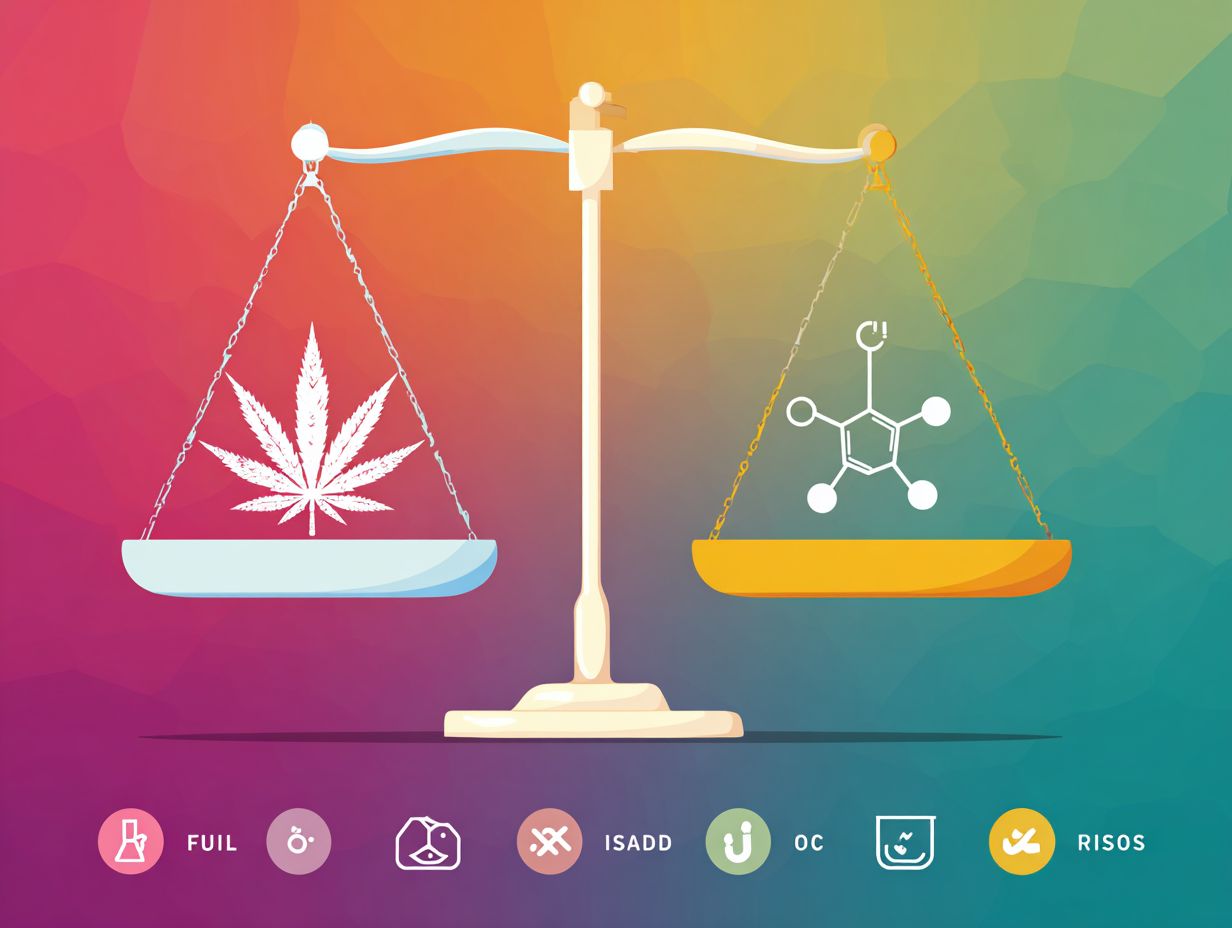
It is important to understand the distinctions among full-spectrum, broad-spectrum, and isolate forms of CBD in order to select the most suitable option for individual pain management requirements.
Choosing the Right CBD Option for Pain Management
Selecting an appropriate CBD product for pain management necessitates careful consideration of individual health goals, potential side effects, and desired outcomes.
Begin by evaluating the type of pain experienced: acute pain may respond more favorably to CBD products with higher THC ratios for rapid relief, whereas chronic pain typically requires a product with a balanced CBD-to-THC ratio.
It is also important to assess sensitivity to THC; for some individuals, full-spectrum oils may be too potent, thus starting with broad-spectrum options may be advisable.
Furthermore, ensure compliance with local laws, as regulations regarding CBD products can vary significantly by jurisdiction.
Finally, reviewing user testimonials and patient experiences can provide valuable insights into the experiences associated with different brands, allowing for a more informed decision that aligns with personal needs.
Frequently Asked Questions

What is the difference between full-spectrum, broad-spectrum, and isolate CBD products?
Full-spectrum CBD contains all cannabinoids and terpenes found in the cannabis plant, including trace amounts of THC. Broad-spectrum CBD contains all cannabinoids and terpenes except for THC, while isolate CBD only contains pure CBD.
Which type of CBD is most effective for pain relief?
Full-spectrum CBD has been found to be the most effective for pain relief due to the entourage effect, where all cannabinoids and terpenes work together to enhance the overall therapeutic benefits.
Is there a risk of getting high from full-spectrum CBD?
While full-spectrum CBD does contain trace amounts of THC, it is not enough to cause psychoactive effects. However, if you are sensitive to THC or have to undergo regular drug tests, broad-spectrum or isolate CBD may be a better choice.
What are the potential benefits of choosing broad-spectrum or isolate CBD for pain?
Some individuals may prefer broad-spectrum or isolate CBD as it eliminates the risk of consuming THC and allows for more precise dosing. It may also be a better option for individuals who are sensitive to other cannabinoids, phytocannabinoids, or terpenes.
Are there any downsides to using full-spectrum CBD for pain?
Some individuals may experience side effects such as drowsiness, dry mouth, or changes in appetite when using full-spectrum CBD. Additionally, it may not be legal in all states, so it’s important to check local laws before purchasing. Understanding the safety profile and regulatory considerations of CBD products is also crucial.
Which type of CBD should I choose for pain relief?
The best type of CBD for pain relief varies from person to person and may require some experimentation. It’s recommended to start with full-spectrum CBD and adjust as needed. Consulting with a healthcare professional can also help determine the best option for your specific needs, considering factors such as bioavailability, cannabinoids profile, and potential drug interactions.