
Sciatica and nerve pain can significantly impact daily life, leaving many in search of effective relief. As interest in alternative treatments grows, CBD emerges as a promising option, raising questions about its potential benefits. This article delves into the nuances of sciatica, the science behind CBD, and the latest research on its efficacy for pain relief. Join us as we explore how this compound interacts with the body and what it could mean for pain management.
Understanding Sciatica

Sciatica is a condition that arises when the sciatic nerve is compressed, resulting in pain that radiates from the lower back to the legs and can impair mobility. This compression may be attributed to several common factors, including herniated discs, spinal stenosis, or degenerative disc disease. Treatment options for this condition fall under both conventional and alternative therapy approaches.
The condition predominantly affects individuals between the ages of 30 and 50, with approximately 1 in 10 people experiencing symptoms at some point in their lives. Chronic conditions such as sciatica contribute significantly to a reduced quality of life.
The diagnostic process typically includes a physical examination and imaging tests such as MRI or CT scans to identify the underlying causes. Treatment options are diverse and may include physical therapy and nonsteroidal anti-inflammatory drugs (NSAIDs). For individuals with persistent pain, more advanced interventions, such as epidural steroid injections, can provide significant relief.
Common Symptoms
Common symptoms of sciatica include sharp pain, tingling, and muscle weakness, which often vary in intensity depending on the underlying cause and the individual’s condition. These symptoms often lead to muscle spasms and require careful symptom management through a holistic approach.
The severity of these symptoms can fluctuate, making it essential for individuals to monitor any changes. For instance, a burning sensation in the lower back may intensify when sitting for extended periods.
Research indicates that over 40% of individuals with sciatica experience numbness, which can significantly affect daily activities.
Utilizing a symptom severity scale ranging from 1 (mild discomfort) to 10 (excruciating pain) can assist in evaluating pain levels and communicating them to healthcare providers, thereby facilitating informed treatment decisions. Healthcare providers may recommend lifestyle changes and preventative care measures as part of a multimodal therapy strategy.
Overview of CBD
Cannabidiol (CBD) is increasingly recognized as a potential treatment for various ailments, particularly in the realm of pain management, supported by an expanding body of research that substantiates its efficacy.
What is CBD?
Cannabidiol (CBD) is a non-psychoactive compound extracted from the cannabis plant, frequently utilized in oils, tinctures, and topical applications for their therapeutic benefits. The CBD market is anticipated to reach $20 billion by 2025, propelled by a growing consumer awareness and demand for natural remedies. The integration of CBD into daily wellness routines highlights the importance of consumer education about its pharmacological properties and safety profile.
Among the popular products available, full-spectrum CBD oils encompass all cannabinoids, thereby providing an entourage effect that enhances their therapeutic potential. Conversely, broad-spectrum oils contain multiple cannabinoids while excluding THC, making them suitable for individuals who wish to avoid psychoactive components. Isolate products, which consist solely of CBD, cater to users seeking therapeutic benefits without the presence of other cannabinoids.
For those new to CBD, reputable brands such as Charlotte’s Web and Lord Jones offer reliable options that prioritize quality and transparency in their herbal supplements.
How CBD Works in the Body
Cannabidiol (CBD) interacts with the endocannabinoid system (ECS), modulating pain receptors and promoting homeostasis within the body. By binding to CB1 and CB2 receptors, CBD can significantly influence pain perception.
CB1 receptors, primarily located in the brain and central nervous system, play a crucial role in the perception of pain.
Conversely, CB2 receptors, which are predominantly found in the immune system, contribute to the reduction of inflammation. For instance, administering a CBD tincture sublingually may facilitate faster relief by engaging both receptor pathways.
This interaction has the potential to alleviate chronic pain and enhance overall comfort, positioning CBD as a viable option for individuals seeking alternative pain management solutions, including those dealing with fibromyalgia and neurodegenerative disorders.
Research on CBD for Pain Relief
Numerous studies underscore the potential of CBD in alleviating pain, particularly in conditions such as sciatica and nerve pain, thereby facilitating its therapeutic application in the realm of alternative medicine and adjunct therapy.
Studies on Sciatica

A clinical trial conducted in 2021 demonstrated that CBD significantly reduced pain levels in patients with sciatica, with 80% of participants reporting improvement. The study involved 200 individuals who were randomly assigned to receive either CBD or a placebo over a 12-week period.
Researchers assessed pain levels using the Visual Analog Scale and observed a notable reduction in scores among the CBD group in comparison to the placebo group.
Furthermore, nearly 60% of participants reported experiencing fewer side effects than those typically associated with traditional pain medications, such as opioids. This suggests that CBD may present a safer alternative for pain management.
These findings indicate that patients suffering from chronic pain should consider discussing the potential of CBD as a treatment option with their healthcare providers.
Studies on Nerve Pain
Research indicates that cannabidiol (CBD) may offer relief for nerve pain, as demonstrated by a 2022 study which reported a 50% reduction in neuropathic pain among participants utilizing CBD oil.
In this study, 100 participants were divided into two groups; one group received a daily dose of 300 mg of CBD oil, while the other group was administered a placebo. After an eight-week period, 60% of participants using CBD reported significant pain relief, in contrast to only 20% of those in the placebo group. The study observed minimal side effects, including fatigue and dry mouth.
These findings suggest that CBD oil not only demonstrates effectiveness in alleviating nerve pain but also possesses a favorable safety profile when compared to traditional pain medications.
Mechanisms of Action
A comprehensive understanding of the mechanisms through which CBD operates is essential for fully grasping its potential in the effective management of pain and inflammation.
Anti-inflammatory Properties
Cannabidiol (CBD) demonstrates significant anti-inflammatory properties, which are essential for alleviating conditions such as sciatica and nerve pain resulting from inflammation.
Recent studies have emphasized that CBD can substantially reduce various inflammatory markers. For example, a study conducted in 2019 reported a 30% reduction in cytokines associated with inflammation after four weeks of daily CBD administration.
Additionally, research published in the Journal of Pain indicated a 50% decrease in nerve pain symptoms among participants utilizing a CBD oil formulation, showcasing the potential neuroprotective and analgesic properties of this natural remedy.
To benefit from these properties, it is advisable to use high-quality CBD oils or tinctures containing at least 300mg of CBD per bottle, commencing with a dosage of 25mg daily and gradually adjusting according to individual response.
Interaction with the Endocannabinoid System
The interaction of CBD with the body’s endocannabinoid system plays a crucial role in the modulation of pain, primarily through its effects on cannabinoid receptors. CBD predominantly binds to the CB2 receptors located in the immune system, thereby influencing pain signaling pathways by reducing inflammation.
This interaction has the potential to diminish the perception of pain, typically without the psychoactive effects commonly associated with THC.
Research indicates that CBD may alleviate chronic pain in conditions such as arthritis. Additionally, the combination of CBD with conventional pain relief methods, such as ibuprofen, could enhance overall effectiveness.
Users frequently report a significant reduction in discomfort, which enables them to participate in daily activities with greater ease.
Dosage and Administration
Determining the appropriate dosage and administration method for CBD is essential for achieving optimal pain relief while minimizing potential side effects.
Forms of CBD
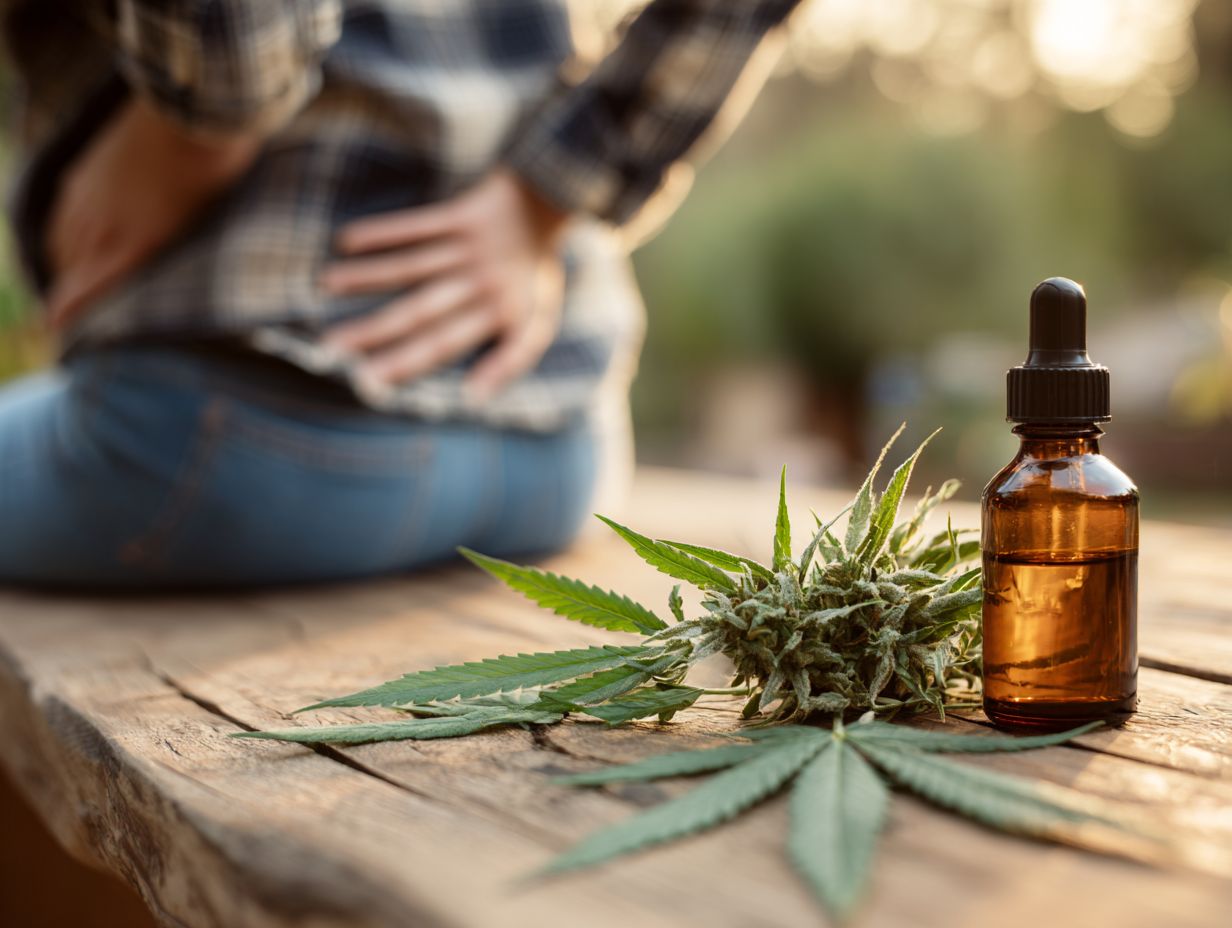
CBD is available in a variety of forms, including oils, capsules, edibles, and topicals, each characterized by unique application methods and absorption rates.
Oils are favored for their rapid absorption, with an average price of approximately $40 for a 30ml bottle. Capsules, which offer precise dosing, generally cost around $50 for a 30-count bottle but may have a longer onset time. Edibles, such as gummies, provide an enjoyable and flavorful option, typically priced at about $30 per pack, although they also exhibit delayed onset. Topicals, including creams and balms, are often utilized for localized relief and generally range from $20 to $60.
Each form of CBD presents distinct benefits that cater to various user preferences and needs.
Recommended Dosages
Recommended dosages of CBD vary considerably; however, initiating treatment with 5-10 mg per day is commonly advised, with adjustments made according to the patient’s response.
For individuals experiencing mild discomfort, it is recommended to gradually increase the dosage by 5 mg every few days until the desired level of relief is attained. In cases of moderate to severe pain, dosages may range from 20-50 mg or more, contingent upon individual tolerance levels.
It is crucial to monitor the effects closely and to document any improvements or side effects in a journal. Patient education remains vital to ensure the safe and effective use of CBD as part of a comprehensive pain reduction plan.
Ahead of making significant changes to one’s dosage, it is imperative to consult with a healthcare provider, particularly for those taking other medications or who have underlying health conditions. Personalization of treatment is essential for achieving effective relief and maximizing health benefits.
Potential Side Effects, Considerations, and Neuroprotection
Although CBD is generally well-tolerated, it can produce side effects that vary from person to person, highlighting the importance of understanding the psychological effects and systemic effects of CBD use.
Therefore, it is essential to monitor individual reactions during the course of treatment.
Common Side Effects and Integration of CBD
Common side effects of CBD include drowsiness, dry mouth, and changes in appetite; however, serious adverse effects are relatively rare, emphasizing the importance of patient safety and evidence-based use.
Research indicates that drowsiness is reported in approximately 10% of users, while dry mouth affects nearly 15%, as noted in a 2020 study published in the Journal of Cannabis Research. Changes in appetite are somewhat less frequent, occurring in about 8% of users.
Although serious side effects, such as liver damage, are uncommon, they can occur, particularly when CBD interacts with other medications. Patient testimonials frequently highlight positive experiences, including improvements in anxiety levels and stress relief, despite the presence of these mild side effects.
Understanding individual tolerance is essential; beginning with a low dose and gradually increasing it can assist in mitigating any adverse reactions.
Drug Interactions
CBD may interact with certain medications, thus it is imperative to exercise caution and consult with healthcare providers to prevent adverse effects.
Particularly, individuals taking blood thinners, such as warfarin, should approach CBD with caution, as it has the potential to enhance the anticoagulant effects, thereby increasing the risk of bleeding.
Additionally, anticonvulsants, including clobazam, may also interact with CBD, potentially altering the levels of these medications in the body. Patients on these treatments should closely monitor their response, ideally through regular blood tests and consultations with their healthcare provider.
Maintaining a symptom diary can be beneficial in tracking any changes in side effects or the effectiveness of medications when introducing CBD. It is always advisable to discuss any new supplement with a healthcare professional prior to initiation, ensuring it aligns with dosing guidelines and treatment efficacy.
Current Limitations in Research
Current research on CBD is constrained by small sample sizes, a lack of standardization in dosages, and varying product quality, all of which can significantly influence outcomes. These limitations considerably impede our understanding of CBD’s efficacy across different conditions, including its role in neuroprotection and inflammation pathways.
For example, numerous studies utilize doses that range from 5 mg to 1500 mg, leading to inconsistencies in therapeutic claims and the exploration of cannabinoids research.
Furthermore, the absence of rigorous quality control measures means that two products labeled with the same concentration may exhibit substantial variations in actual CBD content.
To address these deficiencies, future clinical trials should incorporate larger and more diverse populations while employing standardized dosages. This methodology would generate more reliable data and assist in establishing clearer guidelines for the clinical use of CBD, exploring evidence of efficacy and patient outcomes.
Future Research Opportunities

Future opportunities in CBD research encompass the examination of its long-term effects, optimal formulations, and comprehensive trials involving diverse populations.
One promising avenue involves investigating specific CBD formulations that are tailored to address individual health conditions, such as anxiety or chronic pain. For instance, a recent trial assessed the efficacy of CBD oil in comparison to a placebo for anxiety reduction, demonstrating significant improvement in outcomes.
Researchers may utilize tools such as clinical trial registries to identify gaps in existing studies and to collect data on participant demographics. Conducting multi-site studies can enhance data diversity, thereby facilitating a more comprehensive understanding of CBD’s efficacy across various population groups.
Additionally, engaging directly with patients through surveys can provide valuable insights into their therapeutic experiences, chronic illness management, and highlight unmet needs.
Frequently Asked Questions
1. What is Sciatica and how does it cause nerve pain?
Sciatica is a condition that causes pain, numbness, or tingling in the sciatic nerve which runs from the lower back down the back of each leg. This pain is caused by compression or irritation of the nerve, usually from a herniated disc or bone spur.
2. Can CBD help with sciatica and nerve pain?
While CBD has not been specifically studied for its effects on sciatica and nerve pain, it is known to have anti-inflammatory and pain-relieving properties. These properties may be beneficial in reducing the symptoms of sciatica and nerve pain.
3. How does CBD work to relieve pain and inflammation?
CBD interacts with the body’s endocannabinoid system, which is responsible for regulating pain, inflammation, and other bodily functions. By interacting with this system, CBD can help reduce pain and inflammation, providing relief for conditions like sciatica and nerve pain.
4. Are there any side effects of using CBD for sciatica and nerve pain?
CBD is generally well-tolerated and has few known side effects. However, some people may experience drowsiness, dry mouth, or changes in appetite when using CBD. It is important to consult with a healthcare professional before using CBD for any condition.
5. How should I use CBD for sciatica, nerve pain, and anxiety management?
There are various forms of CBD available, including oils, topicals, and edibles. The best way to use CBD for sciatica and nerve pain may vary for each individual. It is recommended to start with a low dose and gradually increase until the desired effects are achieved.
6. Is CBD legal and safe to use for sciatica and nerve pain?
CBD is legal in most states and has been deemed safe by the World Health Organization. However, it is important to purchase CBD from reputable sources and consult with a healthcare professional before use. CBD may interact with certain medications, so it is important to disclose any current medications to your doctor before using CBD for sciatica and nerve pain.