As athletes and fitness enthusiasts push their limits, distinguishing between normal muscle soreness and a potential injury becomes crucial. Understanding this difference not only informs effective recovery strategies but also protects against long-term damage. This article delves into the nature of muscle soreness, common exercise injuries, and the increasing role of CBD in enhancing recovery. Explore how CBD may offer relief and when it’s essential to seek professional advice for injuries, ensuring you can train smarter and safer.
Understanding Muscle Soreness
Muscle soreness frequently occurs following intense physical activity, frequently leading athletes to question its underlying causes and the anticipated duration of its effects. Understanding muscle fatigue and how to combat it can improve overall physical fitness.
Causes of Muscle Soreness
Muscle soreness primarily arises from micro-tears in muscle fibers, which are a consequence of physical exertion, particularly during unfamiliar or high-intensity workouts.
This soreness can be classified into two types: acute soreness, which manifests during and immediately after exercise, often peaking within a few minutes, and delayed onset muscle soreness (DOMS), which typically appears 24 to 48 hours following exercise.
Activities such as weightlifting, sprinting, or jumping may induce DOMS, especially when these exercises are performed at higher intensities or volumes than usual.
To mitigate soreness, interventions such as gentle stretching, foam rolling, or the application of ice may prove effective, promoting recovery while minimizing discomfort. Incorporating therapeutic benefits of CBD can enhance relaxation and muscle repair.
Typical Recovery Time for Soreness
Recovery from muscle soreness generally occurs within a timeframe of 24 to 72 hours, contingent upon the intensity of the workout and the individual’s fitness level. Several factors influence this recovery timeline, including hydration, nutrition, and rest.
For instance, the consumption of protein-rich foods, such as chicken or legumes, following a workout can significantly enhance muscle repair. Maintaining proper hydration is essential, as it facilitates nutrient transport, which is crucial for effective recovery.
Incorporating active recovery techniques, such as light stretching or yoga, may further alleviate soreness. It is advisable to aim for 7 to 9 hours of quality sleep each night to support overall recovery, as this is when muscle repair processes are most actively engaged.
It is important to adjust one’s routine based on individual responses to these recovery strategies.
Identifying Exercise Injuries
Understanding the distinction between muscle soreness and exercise-related injuries is essential for facilitating effective recovery and promoting long-term health.
Common Types of Exercise Injuries
Common exercise-related injuries include sprains, strains, and tendinitis, each of which presents distinct challenges for recovery and rehabilitation.
Sprains typically result from twisting movements, leading to ligament damage. These injuries are particularly prevalent in sports such as basketball, where approximately 45% of injuries are attributed to ankle sprains. Incorporating flexibility exercises can aid in injury prevention.
Strains, which refer to muscle tears, are frequently observed in activities like running and weightlifting, accounting for nearly 33% of sports injuries.
Tendinitis, on the other hand, arises from overuse and is commonly associated with activities such as swimming or tennis, impacting around 20% of athletes.
Effective recovery methods encompass the RICE protocol and may include the use of cannabinoids for pain management:
- Rest
- Ice
- Compression
- Elevation
Additionally, physiotherapy tailored to the specific type of injury is crucial for optimal recovery.
Signs and Symptoms of Injury
Key indicators of injury include persistent pain, swelling, and reduced mobility, which may necessitate a medical evaluation.
When experiencing these symptoms, it is advisable to assess your condition using a straightforward self-assessment flowchart. Employing recovery strategies is crucial in these assessments:
- Begin by identifying the location and intensity of the pain.
- If the pain intensifies with movement, it is prudent to consult a healthcare professional.
Mild injuries may resolve within a few days with appropriate rest and the application of ice; however, if pain persists beyond one week or is accompanied by significant swelling, it is imperative to seek medical advice promptly.
Utilizing a pain scale from 1 to 10 can facilitate effective communication regarding the severity of your symptoms, ensuring that your healthcare provider has a comprehensive understanding of your condition.
Role of CBD in Recovery
Cannabidiol (CBD) has been researched for its potential to mitigate pain and inflammation, positioning it as a significant asset in the recovery process for athletes looking to enhance athletic performance.
How CBD Works in the Body
CBD interacts with the body’s endocannabinoid system (ECS) to modulate pain, inflammation, and stress responses, thereby promoting overall wellness. The ECS comprises receptors, primarily CB1 and CB2, which CBD influences in different ways.
For instance, CB1 receptors, predominantly located in the brain, can affect mood and pain perception, while CB2 receptors are associated with immune response.
An understanding of bioavailability is essential, as CBD oils generally exhibit a higher absorption rate compared to edibles.
Dosing considerations are important; it is advisable to start with a dosage of 10-20 mg and gradually adjust as needed to identify the optimal amount for individual requirements. Consultation with a healthcare provider is recommended prior to initiating any CBD regimen.
Benefits of CBD for Soreness
Research indicates that cannabidiol (CBD) may effectively reduce muscle soreness by decreasing inflammation and promoting faster recovery times. A study published in the Journal of Pain Research found that participants experienced a 30% reduction in muscle soreness within 24 hours following exercise when utilizing CBD.
To take advantage of these benefits, individuals may consider incorporating CBD oil or topical creams into their post-workout regimen. Products such as Charlotte’s Web Hemp Extract or Joy Organics CBD Cream have demonstrated promising results in this regard.
When using a topical application, it is advisable to apply it directly to the affected areas, or alternatively, to take the oil sublingually, with a recommended dosage of approximately 20-30 mg. It is important to monitor one’s response to the product and adjust usage as necessary to achieve optimal results.
CBD for Injury Management
Cannabidiol (CBD) presents a promising option for managing injuries, with the potential to assist in pain relief and support the healing process.
When to Use CBD for Injuries
Employing CBD promptly following an injury may assist in mitigating inflammation and pain, thereby supporting therapeutic benefits and contributing to a more efficient recovery timeline.
For optimal efficacy, it is advisable to apply CBD topicals or tinctures within 30 minutes of the injury. In cases of acute pain, one may consider initiating treatment with 10-20 mg of CBD oil taken sublingually every 6-8 hours. It is important to adjust the dosage based on individual tolerance levels and the severity of pain experienced.
Topical applications, including creams or balms, can be applied directly to the affected area for localized relief. Consistency in this regimen is essential; it is recommended to maintain the application for at least one week while monitoring the body’s response. Consultation with a healthcare professional is advised should any concerns arise.
Potential Risks and Considerations
While CBD is generally regarded as safe, it is important for users to be cognizant of potential side effects, including drowsiness and gastrointestinal discomfort. These side effects can often be effectively managed through several practical strategies.
It is advisable to begin with a lower dosage to evaluate individual tolerance; many users have reported positive outcomes with doses in the range of 10-15 mg per day. Consultation with a healthcare professional is essential, particularly for individuals who are taking other medications.
User testimonials suggest that maintaining proper hydration and ingesting CBD alongside food may help alleviate gastrointestinal discomfort.
To further ensure safety, it is recommended to select products from reputable brands that provide third-party lab testing results, thereby confirming their purity and potency.
Making Informed Choices for Recovery
Athletes can enhance their recovery by making informed decisions regarding the use of CBD while being attuned to their bodies and acknowledging their recovery requirements.
To effectively integrate CBD into a recovery regimen, it is recommended that athletes initiate treatment with a low dosage, approximately 10-20 mg, and progressively adjust this dosage based on their individual response, aiding in achieving fitness goals and muscle tension relief.
Methods of ingestion can differ: oils provide rapid absorption, while gummies present a more convenient alternative. It is crucial to monitor daily effects, paying particular attention to any changes in pain levels, sleep quality, or overall recovery.
Maintaining a recovery journal can assist athletes in tracking their progress and identifying the most effective strategies, thereby enabling them to refine their approach over time.
Frequently Asked Questions
What is the role of CBD in exercise recovery?
CBD, or cannabidiol, is a compound found in the cannabis plant that has been shown to have anti-inflammatory and pain-relieving properties. These qualities make it a popular option for athletes and fitness enthusiasts seeking natural solutions for exercise recovery, supporting wellness routine and stress reduction.
What is the difference between workout-induced soreness and athletic injuries in the context of exercise recovery?
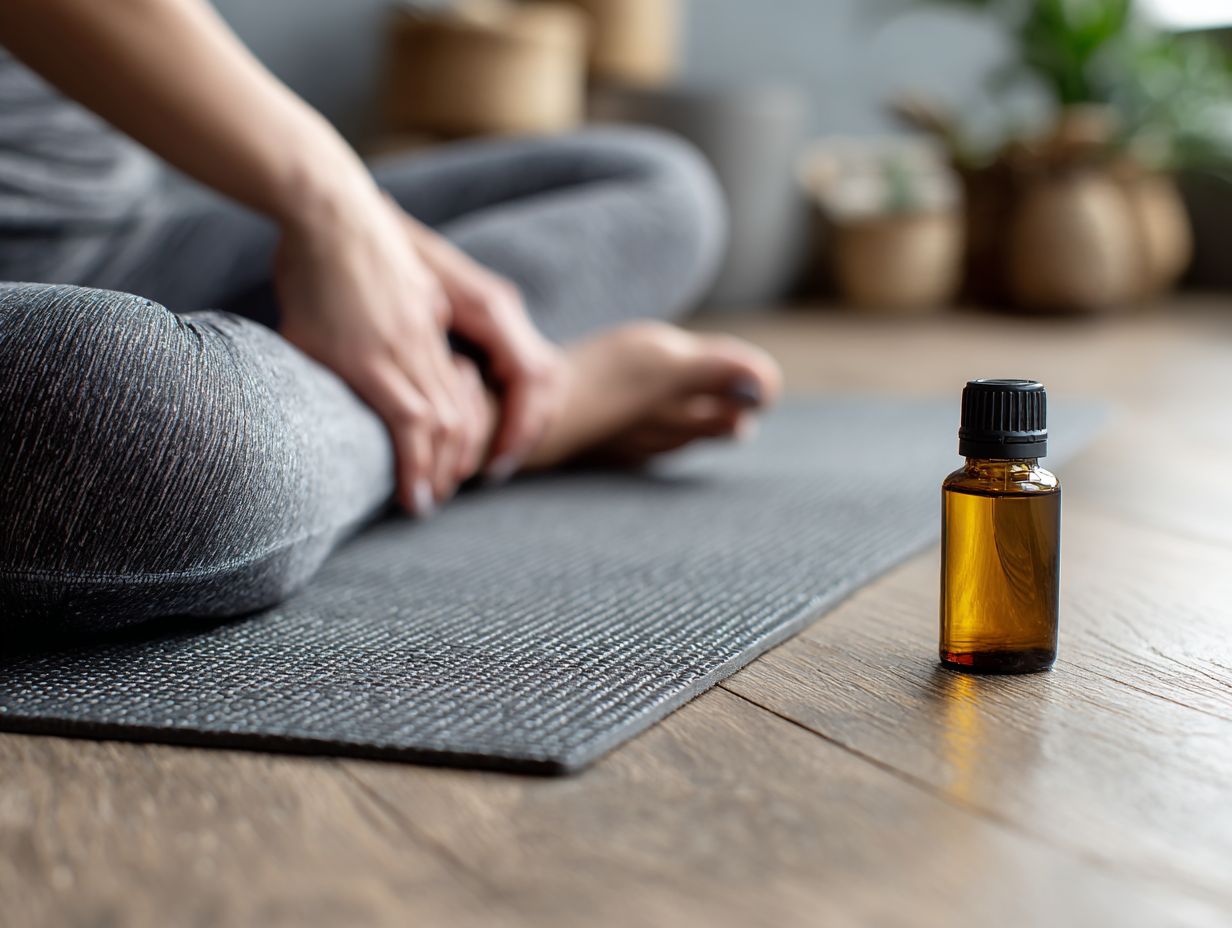
Soreness, also known as delayed onset muscle soreness (DOMS), is a common result of exercise and is characterized by mild discomfort and stiffness in the muscles. Injuries, on the other hand, are more severe and can result in significant pain and impaired movement. Knowing the difference between the two is crucial for proper recovery.
How can CBD help with exercise-related soreness?
CBD can help reduce inflammation and pain, which are common causes of exercise-related soreness. By interacting with receptors in the body’s endocannabinoid system, CBD can help alleviate discomfort and promote faster recovery after a workout.
Can CBD be used to treat exercise-related injuries?
CBD should not be used as a substitute for medical treatment for exercise-related injuries. However, it can be used as a supplement to traditional treatment methods. CBD’s anti-inflammatory properties may help with pain management and promote healing.
Are there any side effects of using CBD for exercise recovery?
In general, CBD is well-tolerated and has minimal side effects. However, some individuals may experience mild side effects such as drowsiness, dry mouth, or changes in appetite. It is important to consult with a healthcare professional before using CBD, especially if you are taking any other medications.
Is CBD legal for use in exercise recovery?
CBD derived from hemp is legal in the United States, as long as it contains less than 0.3% THC. THC is the psychoactive compound in cannabis that produces a “high” sensation. It is important to check the legality of CBD in your specific state or country before using it for exercise recovery.